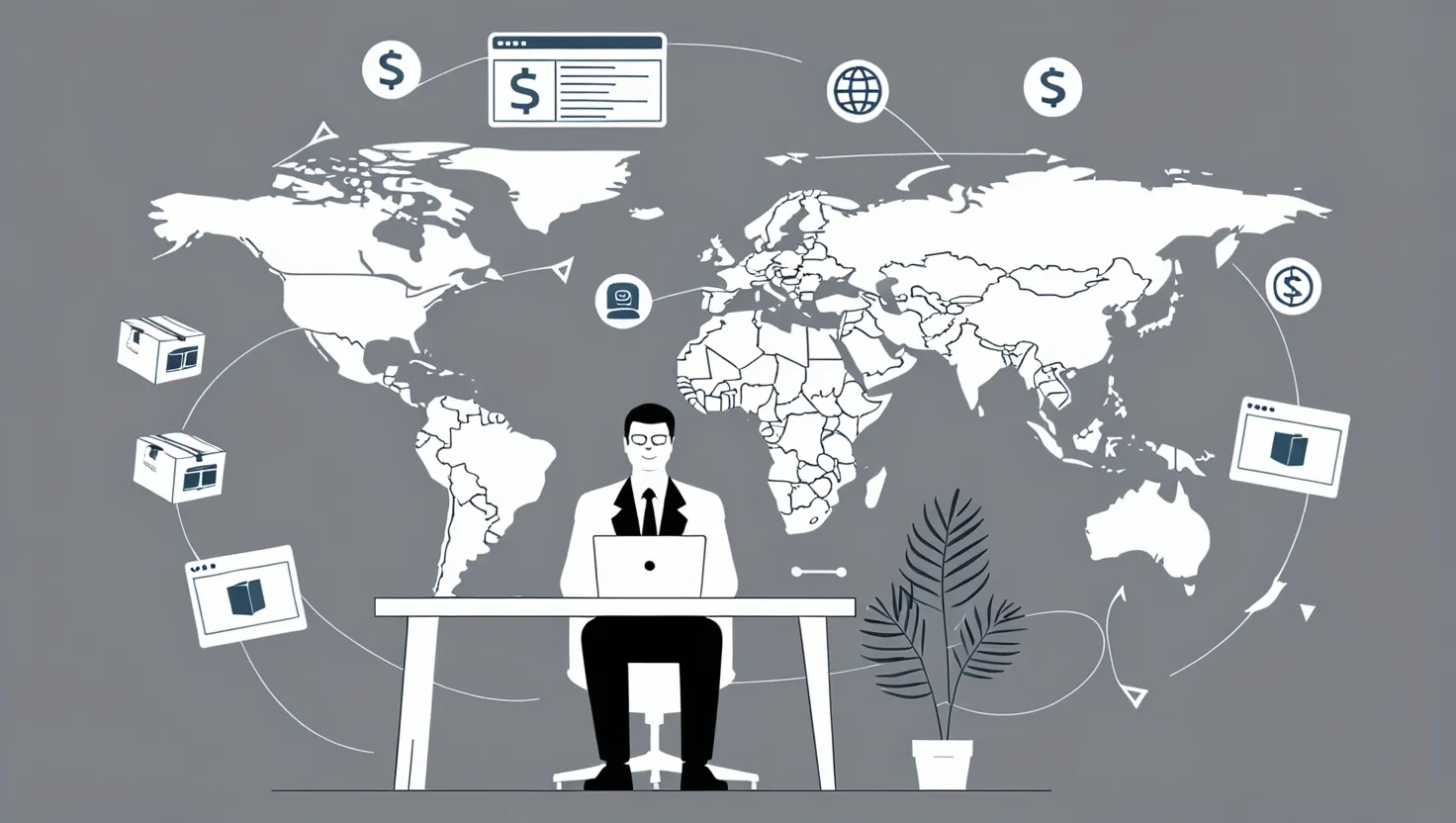
Going global used to sound like a distant dream reserved for giant corporations with deep pockets and teams of international lawyers. Yet, here I am, walking you through five actionable global trade opportunities available to small businesses right now. What truly excites me is how the recent wave of digital, financial, and logistical innovation has demolished many of the barriers that kept smaller firms landlocked in local markets. Let’s unpack the transformative channels in language so plain that you can instantly visualize your next move—whether you’re selling locally crafted jewelry or micro-roasted coffee beans.
First, let’s talk about digital marketplaces. Platforms like Shopify, Etsy, and Alibaba are allowing small enterprises to sell across countries with minimal upfront costs. It no longer matters whether you run your business out of a main street shop or a basement studio. If you have a product and internet access, you can set up a storefront and attract buyers from Australia to Austria by the end of the day. The most interesting part is the way these platforms are continually investing in tools that level the playing field: integrated payment gateways, data-driven marketing, and localized shipping solutions. Have you considered listing your niche products on a marketplace popular outside your own country? Some boutique candle makers in Mexico, for example, are seeing their handcrafted wares in high demand in Japan.
“The only source of knowledge is experience.” – Albert Einstein
Then there’s the powerhouse momentum brought by new trade agreements. Over the last few years, regions such as the EU and ASEAN have rolled out agreements specifically designed to lower tariffs and simplify customs for smaller businesses. Imagine shipping olive oil from Greece to Paris without getting entangled in endless paperwork or jaw-dropping fees. What’s really noteworthy here are the “SME chapters” found in many new deals: tailored programs, guidance websites, even hotline support for first-time exporters. How do you stay updated on these shifting sands? I often recommend following national trade departments or subscribing to newsletters focused on your sector; changes happen fast, but they’re often packed with actionable perks for small players.
Here’s a question for reflection: Is there a trade agreement in your country that has gone into effect within the past year—and do you know if your products now qualify for tariff discounts or simplified export processes? Many entrepreneurs I’ve coached discovered new savings and smoother procedures just by asking.
Now, with international payments—a known headache for years—fintech platforms are rewriting the rules. Companies like Wise, Stripe, and Revolut provide fast, low-cost currency conversions and transfers. You can invoice your Swiss customer in EUR, get paid in minutes, and avoid the week-long limbo of traditional banks. Are you noticing the opportunities this opens up? For food brands, designers, and app developers, breaking through payment barriers instantly expands customer reach. It isn’t just about lower fees. It’s also about confidence: when payment systems are transparent and reliable, both seller and buyer feel safe to transact.
Here’s what I ask every small business owner: Have you experimented with more than one money transfer platform? Sometimes switching saves hundreds of dollars a month—capital that could power your next advertising campaign or fast-track a product launch.
“Success is not final; failure is not fatal: It is the courage to continue that counts.” – Winston S. Churchill
Let’s not overlook consumer demand for unique, ethically sourced goods. The digital age has done more than connect continents; it’s taught shoppers in Berlin, Beijing, and Boston to value story and provenance behind the products they buy. Specialty food brands, artisan goods, and eco-friendly fashion items, for example, are enjoying explosive growth simply because today’s consumers crave authenticity. Have you documented your sourcing process? Created transparency around local manufacturing? Some of the fastest growing exporters post behind-the-scenes videos or profiles of artisans to reinforce credibility for global buyers.
Would your product stand out if customers in another country learned about the people and values behind it? I urge you to consider telling your story in a way that builds trust and excitement across cultures. Remember, people aren’t just buying goods—they’re buying the stories, values, and unique qualities behind them.
“Simplicity is the ultimate sophistication.” – Leonardo da Vinci
Advanced logistics networks are the unsung heroes of international trade today. If you’re picturing long lines at customs and mysterious delays, you’re not alone—but times have changed. Third-party logistics providers now offer door-to-door solutions with transparent tracking, pre-cleared customs forms, and consolidated freight that spreads costs among many small sellers. Micro fulfillment centers in key export markets mean your orders arrive in days instead of weeks. This efficiency isn’t exclusive to tech giants: small retailers using Shopify’s integrated shipping, or specialty food exporters who tap into chilled logistics, are reaping real benefits.
Ask yourself: Is reliable shipping the missing link in your international strategy? Sometimes switching to a specialized provider in temperature-controlled shipping or using drop-shipping for trial batches can turn a risky market test into a solid foothold abroad.
“Don’t find fault, find a remedy.” – Henry Ford
I often see measurable gains within the first year when small businesses adopt these strategies—revenue jumps averaging from 30 percent to as high as 60 percent. What’s more, the risk profile of these companies transforms. By serving multiple markets, they become less vulnerable to local downturns or sudden economic shocks. One boutique retailer in Canada reported steady growth even during a regional recession, simply because her exported sales buffered against weak domestic spending.
But let’s be realistic: entering new markets means wrestling with fresh obstacles. Regulatory compliance—labeling laws, export certifications, tax obligations—can be a real source of stress. The key here is not to be overwhelmed; instead, tackle these tasks one step at a time. Use free resources offered by national export agencies, and participate in online forums dedicated to your product category. I also advocate starting small: test a market by selling a limited batch through an online platform, learn from the process, and then scale up.
Cultural adaptation is another challenge. Language barriers, packaging preferences, and buying habits differ widely. Before investing heavily, study how similar products are presented in your target market and tweak your branding accordingly. Sometimes, all it takes is a translation service or a new color palette to double your conversion rate.
“Great things are done by a series of small things brought together.” – Vincent van Gogh
Practical advice? Begin with niche products—those that excel in quality or story—and run limited promotions in selected markets. Analyze results before going all in. This method not only limits risk but also serves as a learning lab for refining your approach. Are you ready to diversify your revenue streams and fortify your business against future uncertainty?
Data consistently shows that small businesses using these methods aren’t just expanding geographically. They’re learning to pivot, to test, to adapt. And in the process, they’re building enterprises with wide economic footprints and stronger resilience.
“What you do speaks so loudly that I cannot hear what you say.” – Ralph Waldo Emerson
Let me close on this note: Going global in 2024 is less about taking a leap of faith and more about making informed, incremental moves. The barriers are lower, the technology is on your side, and the support systems have never been more accessible. What untapped market might reward your originality or craftsmanship next? Have you identified products in your line that could thrive overseas? Sometimes, all it takes is the curiosity to ask these questions and the tenacity to act on the answers.