How Privacy Regulations Are Transforming Digital Marketing Strategies in 2024
Learn how privacy regulations are transforming digital marketing through first-party data, contextual ads, and ethical practices. Discover strategies that boost conversions while respecting user privacy.
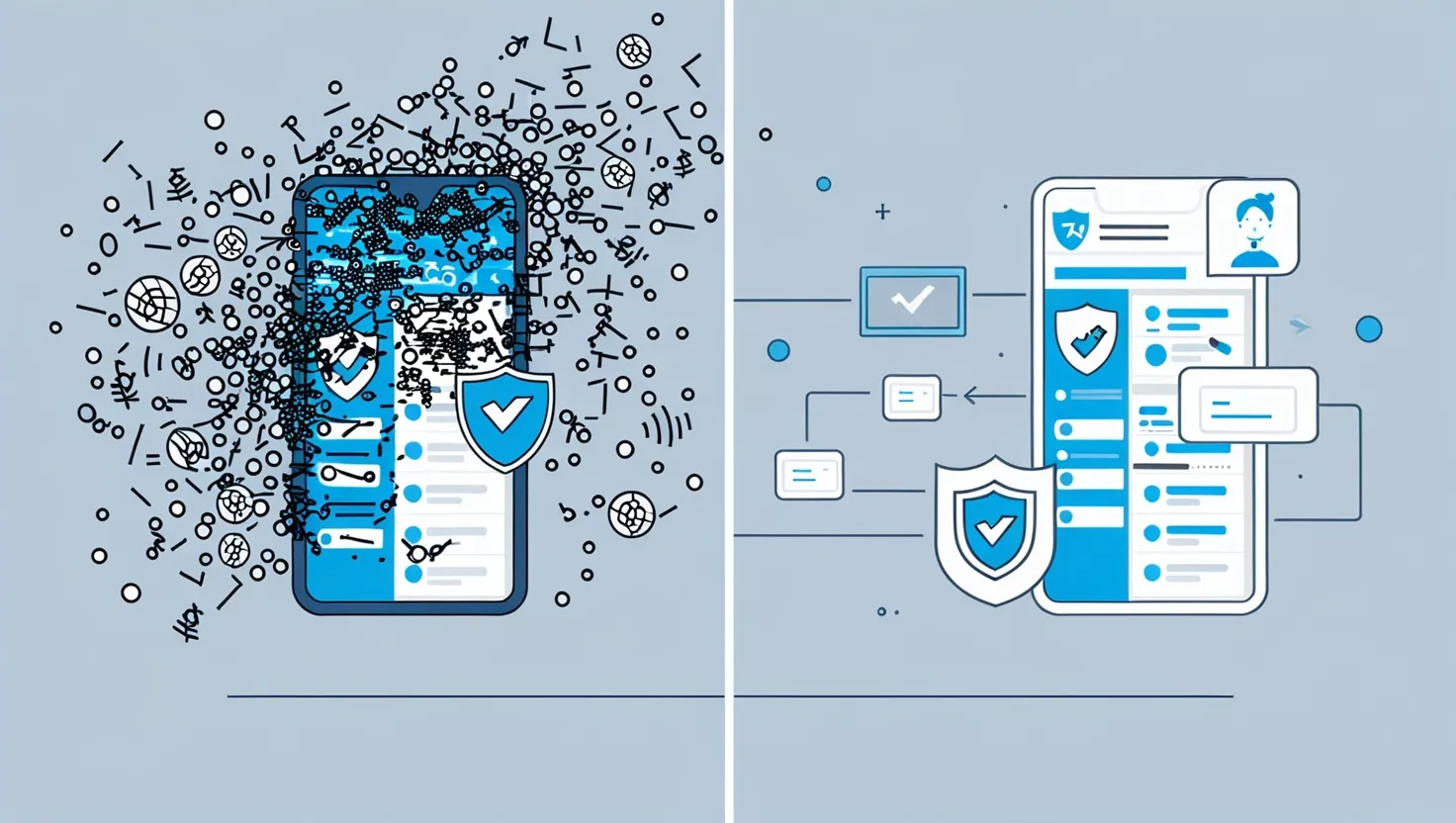
Digital marketing today feels a lot like crossing a street with changing traffic lights—just when you feel comfortable, the rules shift. These changes aren’t just trends; they’re responses to real concerns from people like you and me who care about where our data goes and how it’s used. As privacy regulations surge globally, companies across retail, media, and technology face a crossroads: either adapt fast or risk falling behind.
Let’s talk about the first challenge: third-party cookies are fading out fast, making way for first-party data collection. Remember when advertisers could quietly track your every move online? That era is almost over. Now, the focus is on collecting insights directly from customers. If you’ve ever noticed how The New York Times asks you to log in or subscribe, it’s about more than selling content—it’s about building a clearer, more honest picture of who their readers are. With data gathered straight from subscribers, they can tailor stories, offers, and ads more precisely, leading to subscriber growth and deeper loyalty. But that’s not easy. Setting up robust systems to collect and manage this kind of data comes with steep software costs and demands entirely new internal skills.
How do businesses compensate for the loss of those easy tracking tools? By shifting to contextual advertising. Imagine you’re visiting a food blog, and you suddenly see an ad for kitchen utensils, not because you searched for them yesterday, but because it makes sense on that page. That’s contextual advertising—matching ads with content, not with your personal browsing habits. Unilever, for example, has run successful campaigns where ads for cleaning products appear alongside home improvement articles. The result wasn’t just a smoother user experience; they recorded up to 25% higher conversion rates compared to behavioral ads.
“Privacy is not an option, and it shouldn’t be the price we accept for just getting on the Internet.” — Gary Kovacs
Now, these shifts force companies to confront an overlooked challenge—consent management. Every “accept cookies” popup or privacy notice you encounter reflects new, global privacy laws. They’re more than legal formalities. Transparent consent management is about giving clear, understandable choices to users. In retail, for instance, a technology company might launch a consent dashboard where customers choose precisely what to share. This approach can be a double-edged sword—the clearer and simpler the options, the more likely users are to opt in, but it demands crystal-clear infrastructure and relentless updates to keep up with the law. The cost of falling short? Risk of compliance penalties and destroyed brand trust.
Have you ever wondered why brands keep asking you to sign up for newsletters and app alerts? This is permission-based engagement in action. The age of spammy, unsolicited emails is fading—replaced by campaigns that you’ve actively chosen to see. For businesses, this changes the math: instead of paying to blast messages everywhere, they invest in building lists of genuinely interested customers. Over time, these opt-in audiences show more loyalty and higher spending. Yet starting from scratch, without legacy databases of “bought” contacts, can feel daunting.
“Trust is built with consistency.” — Lincoln Chafee
Artificial intelligence is the next big player, but with a twist: it must respect privacy boundaries as never before. While AI can predict, recommend, and personalize—improving everything from product suggestions to headline recommendations—it’s forced to work with less intrusive data. The new rules demand creativity. AI systems scan anonymous site behavior, weather, even the time of day, to optimize campaigns without peeking into individual histories. The upshot? Personalization grows smarter—not sneakier—building relevance without sacrificing respect for user privacy.
Does all this actually work? Companies who treat privacy as integral rather than optional aren’t just dodging fines—they’re building stronger businesses. Brands that applied consent-first approaches have avoided costly compliance penalties and, in many cases, seen measurable boosts in conversion and retention. The New York Times, for instance, transformed cookie loss into a growth opportunity by deepening relationships with a loyal reader base. Unilever witnessed not only higher conversions but sustained ROI by aligning ads with content contextually. These ethical practices are reshaping loyalty, not as a vague ideal, but as a real business metric.
But it’s not a simple switch. The biggest hurdles come from infrastructure costs—upgrading systems to collect, manage, and secure first-party data is no small feat. Retraining teams, integrating new tools, and running smaller test campaigns all take time and money. Consumer adaptation lags too; many people are still puzzled by granular consent options and wary of sharing any information. Education, both inside companies and out in the world, becomes crucial to build a smoother path forward.
“Whoever controls the media, controls the mind.” — Jim Morrison
If you’re trying to adapt your own organization, there are practical places to start. Begin with your consent protocols—ensure every customer interaction is transparent and easy to understand. Next, pilot campaigns using contextual targeting; gather results and iterate. Invest steadily in better data collection and storage practices, always keeping privacy at the forefront rather than as an afterthought. Encourage feedback from your audience: What makes them comfortable? What turns them away? Treat these responses as guideposts, not obstacles.
Why does this matter for the future of digital marketing? Because ethical marketing isn’t just about staying out of trouble—it’s about building a foundation for sustained customer relationships and real innovation. As more companies shift their strategies in retail, media, and tech, we see measurable performance improvements: higher conversion rates, fewer compliance headaches, and enhanced loyalty from audiences that feel respected and understood.
Here’s a question: Have you noticed brands becoming more transparent about how your data is used? If you have, you’re witnessing the new standard in digital marketing—a space where respect for privacy and creative, context-driven engagement work hand-in-hand. The beauty of these changes is that they don’t limit innovation; they demand it. Companies are finding fresh ways to surprise and delight audiences without crossing sensitive boundaries.
“What you do speaks so loudly that I cannot hear what you say.” — Ralph Waldo Emerson
So as we move further into a landscape thick with privacy regulation, I challenge you—whether you’re a marketer, an executive, or just a curious observer—to see these shifts not as burdens, but as opportunities. Yes, the initial road is costly and filled with learning curves. Yes, consumer adaptation is uneven. But the end result is worth it: a digital ecosystem where personalization and privacy aren’t at odds, but exist side by side, powering genuine, sustainable connections.
Isn’t that a future worth aiming for?