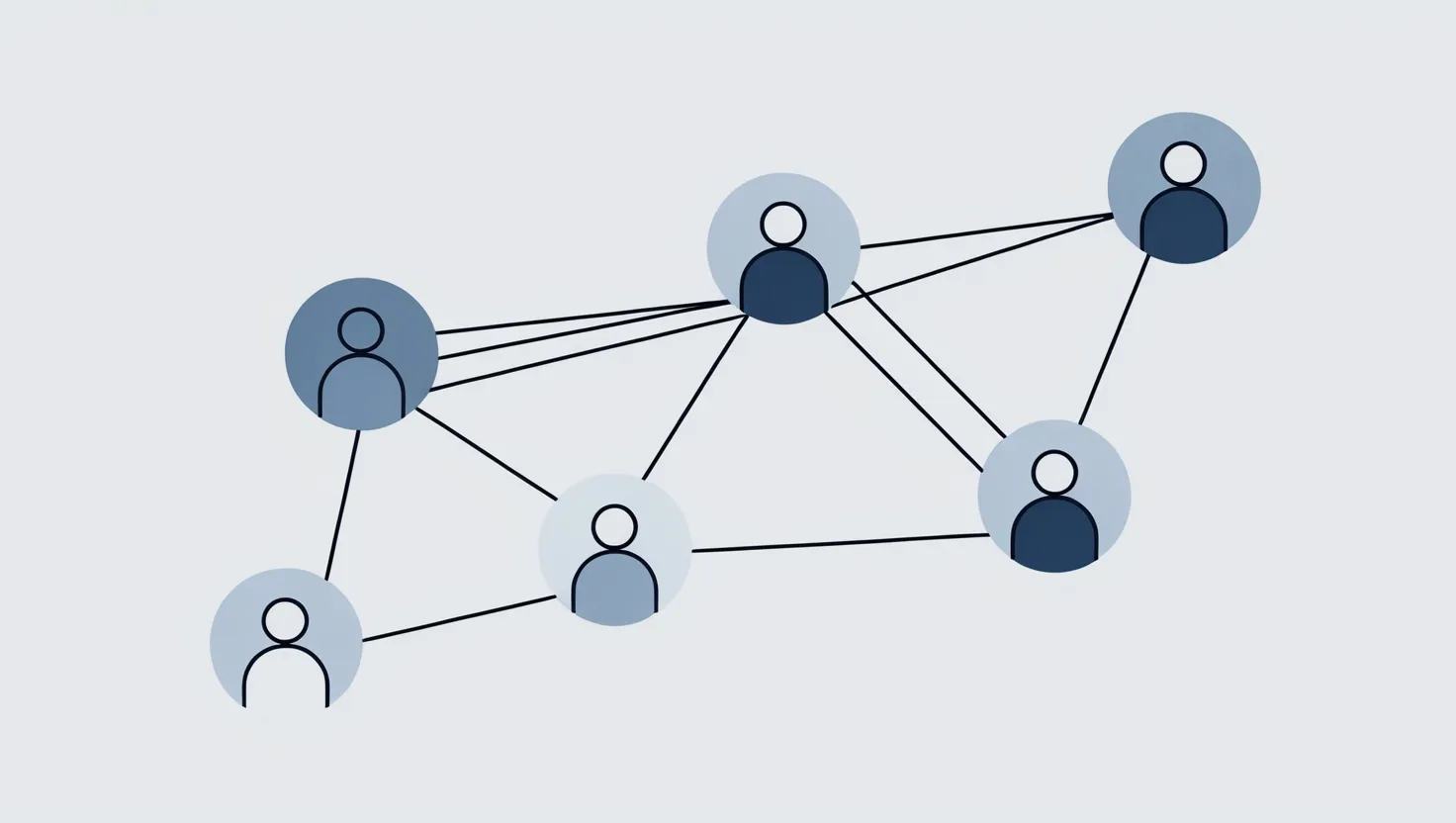
When I step into an organization, one of the first lessons I learn is that things rarely run by official charts alone. Decisions, progress, and partnerships often move through informal channels that have almost nothing to do with titles. If I’ve observed anything worth sharing, it’s that navigating these politics isn’t about manipulating or scheming—it’s about understanding, building, and connecting in ways that are both strategic and genuine.
“Power isn’t control at all—power is strength, and giving that strength to others.” —Beth Revis
Mapping informal influence networks is where I start. These aren’t just cliques or water-cooler alliances; they’re real conduits of decision and change. I pay attention not just to who is loud in meetings, but who listens and is listened to. Often, the person whose opinion quietly shapes the room isn’t at the top of the tree. They’re the connector. I find that informal networks cross department lines and organizational layers, and very often the real influencers don’t need authority on paper. Asking myself, who do colleagues turn to for advice? Who makes things happen when the formal process gets stuck? The answers don’t just predict how decisions get made—they explain how initiatives survive or die in the real world.
Have you ever considered what drives a decision outside the boardroom? Sometimes a thoughtful word in an elevator or a casual coffee chat alters the course of a project more than hours of formal discussion.
The next practice is framing proposals to align with organizational priorities and stakeholder interests. This isn’t about spin—it’s about relevance. If I want my idea adopted, I don’t frame it as “my plan” but as a solution to a widely shared problem. I look at what the organization actually values, not just what it claims to on posters. Sometimes, what gets attention is cost savings; other times, it’s employee well-being or market growth. When I tailor my message to meet tangible priorities and respond to stakeholders’ goals, I’m not just selling—I’m integrating my vision with the fabric of what matters to others.
“Leadership is not about a title or a designation. It’s about impact, influence and inspiration.” —Robin S. Sharma
There’s one area where a lot of people stumble: they try to wield influence before they’ve earned credibility. I’ve witnessed “big idea” people struggle because they’re seen as unreliable or inconsistent. Credibility, for me, grows through consistent delivery. That means I meet deadlines, I follow through on commitments, and I am honest about difficulties. Before I ask someone to vouch for my proposal or support an initiative, I make sure they trust me to deliver. This creates a reservoir of goodwill for when I do need influence. What happens when my track record precedes me? People take risks on my behalf.
Have you noticed how leaders with solid reputations rarely have to fight for support? It almost feels as if opportunities come searching for them rather than the other way around.
Transparent coalition-building is often viewed with suspicion—the word “coalition” carries baggage of secrecy or manipulation. I think the opposite is true when done right. When I invite others in early, explain my intentions, and welcome feedback, it doesn’t just broaden the initiative’s support. It brings in ideas I’d never have found on my own. In matrixed organizations, more often than not, projects touch multiple departments. If people find out about decisions only after it’s “final,” resentment grows. Transparency doesn’t mean sharing everything; it means sharing the right things at the right time, with honesty and openness.
“I suppose leadership at one time meant muscles; but today it means getting along with people.” —Mahatma Gandhi
When negotiating resources or support, creating value for multiple parties is essential. The best deals aren’t zero-sum—they leave everyone stronger. I once witnessed a leader secure budget support for a tech initiative by making sure it directly benefitted HR’s onboarding process and IT’s infrastructure goals. It wasn’t just a clever win-win, but an expansion of overall organizational capability. I often ask: how does my plan help others? Can it solve problems across functions, not just within my own silo? When negotiations center on shared value, buy-in becomes easier and lasting.
How often do you stop and ask, “What’s in it for the other person?” That simple question can recast negotiations from adversarial to collaborative.
Of course, this all rides the line between healthy political awareness and manipulation. The difference is both clear and subtle. Manipulation seeks short-term advantage at another’s expense. Constructive political awareness is about building networks, sharing information, and aligning efforts, without hidden agendas or deception. The most admired leaders I’ve met don’t hoard information or use gossip as currency. They connect people openly, share resources, and let credit flow freely. In settings where politics turns toxic, secrecy and exclusion create fear and stagnation. Where politics is handled ethically, organizations thrive.
Maintaining authenticity in the midst of these dynamics is non-negotiable for me. I’ve tried presenting myself as what I thought a particular group wanted, only to lose the very influence I sought. Authentic leaders communicate with honesty, admit mistakes, and don’t compromise their values for expediency. Paradoxically, authenticity makes political navigation far more effective. When people know who I am and what I stand for, they trust me—even when decisions get tough.
“People follow leaders by choice. Without trust, there is no leadership.” —Mike Staver
Working in matrixed organizations, the challenge multiplies. I’ve watched initiatives collapse because a single stakeholder wasn’t included early or a misaligned goal wasn’t detected until too late. Leaders who advance successfully rarely go it alone; they build alliances intentionally, seeking a diverse mix of supporters and critics. I ask myself: who is touched by this project? Who might resist, and why? How do I make them part of the journey, rather than obstacles on the road?
Examples abound. One tech executive I spoke with started a cross-departmental cybersecurity project by holding monthly open-info sessions—not mandatory meetings, but honest conversations. Over time, even skeptics became advocates because their concerns were aired and addressed publicly. Another HR leader in a multinational company mapped informal influencers early, then brought together a coalition representing not just managers but frontline staff, union reps, and IT specialists. By making their voices part of shaping policy, she avoided blockages and moved faster than more hierarchical approaches ever would.
Ask yourself, in your own role: Who influences outcomes informally? How are priorities shaped outside official processes? What do others gain or fear from your initiatives?
Passing through these lessons, I recognize that organizational politics isn’t simply a game to win or lose. It’s a complex field of relationships, priorities, and intentions—a place where integrity isn’t sacrificed, but proven. The leaders who manage it best aren’t the ones who dominate, but the ones who understand, bridge, and create value beyond their own interests.
“Management is doing things right; leadership is doing the right things.” —Peter F. Drucker
Whenever I engage with organizational politics, I strive to remain aware but not calculating, curious but not intrusive, persuasive but not coercive. The practices I described aren’t secret codes—they’re ways to foster systems of trust where initiatives thrive, interests align, and change takes root sustainably.
How will you, in your next conversation, seek to map the informal influences, align proposals, build real credibility, and create value for all involved? The answers are likely as unique as your organization—but the practices, once embraced, make both work and life smarter, more ethical, and ultimately, more rewarding.
“Success doesn’t come from what you do occasionally, but what you do consistently.” —Marie Forleo