How Your Brain Really Makes Decisions: Three Game-Changing Insights
When I wake up in the morning, my brain has already made hundreds of decisions before I’ve had my coffee. I decide what to wear, whether to check emails first, if I should skip breakfast. Most of these happen without any conscious effort on my part. But here’s the thing that most people don’t realize: I’m not making these decisions the same way every time. My mind operates like two completely different decision-makers living in my head, and understanding this difference has changed how I approach everything from buying a car to choosing which job offer to accept.
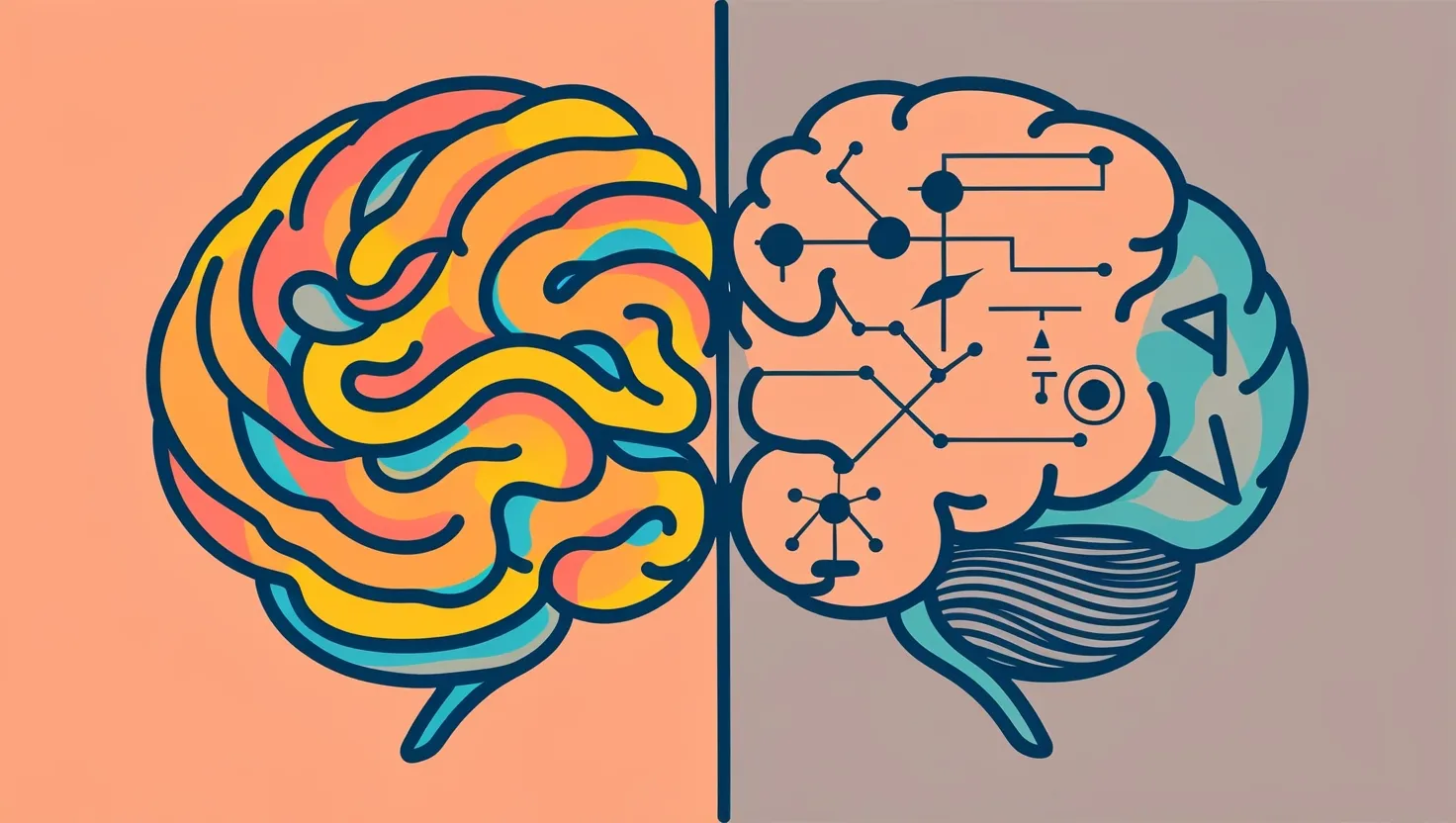
Let me introduce you to something that might seem obvious once you hear it, but it’s actually revolutionary when you really understand it. Your brain has two distinct thinking systems, and they’re fighting for control of your decisions all day long. The first system is fast and automatic. It barely requires any energy from you. When you see a red light, you stop. When someone smiles at you, you instinctively smile back. This system runs on what you’ve learned over your entire life, your instincts, your gut feelings. It’s incredibly efficient, but here’s the problem: it’s also incredibly prone to mistakes.
The second system is the opposite. It’s slow and requires real effort. When you’re doing your taxes or trying to understand a complicated problem at work, you’re using this system. It’s conscious and deliberate. It weighs pros and cons. It thinks logically about things. The catch is that this system gets tired quickly. It’s like a muscle that can only work hard for so long before it needs a break.
Most of us go through life thinking we’re using the logical, careful system when we’re actually being ruled by the fast, intuitive one. I do this constantly. I’ll think I’ve made a rational decision about something when really, my gut already decided within the first few seconds, and my logical brain just spent time convincing me that was the right choice. Think about the last time you met someone new. Did you decide whether you liked them logically? Or did you know within moments, and then spend the rest of the conversation gathering reasons to support that initial feeling?
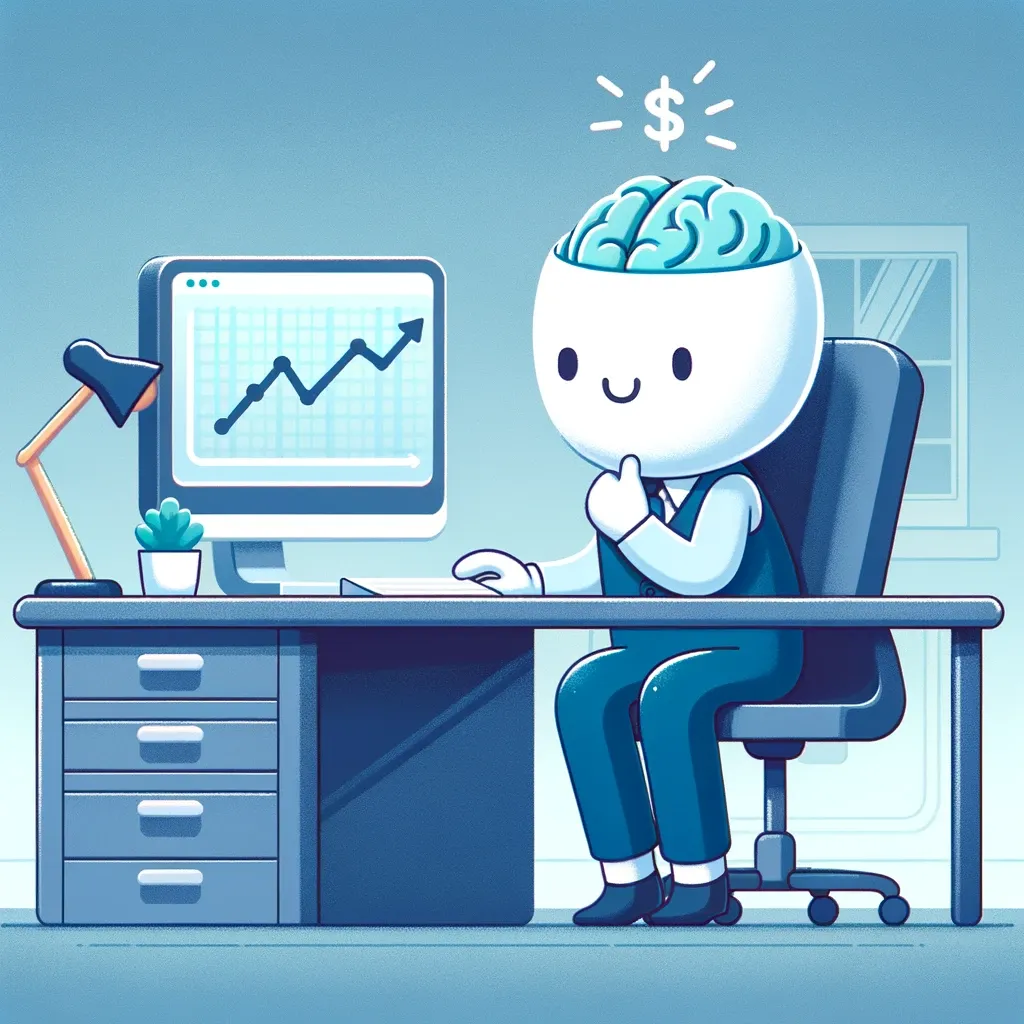
Here’s where it gets interesting. Once I recognized this about myself, I started asking a simple question before making any important decision: which system is actually making this choice right now? When I’m buying something online and feeling excited about it, that’s System 1. When I’m comparing prices and reading reviews, that’s System 2. The problem is, System 1 can hijack System 2. It can make the slow system work for it, gathering evidence that supports what the fast system already decided.
Let me share something that happened to me recently. I was shopping for a new laptop. Within thirty seconds of seeing one particular model, I wanted it. It was sleek, it was from a brand I recognized, it felt modern. My fast brain loved it. Then I spent the next two hours on the slow system, reading reviews, comparing specifications, looking at prices. But I was reading with a bias. I was more convinced by the positive reviews and dismissive of the negative ones. I was noticing all the ways the more expensive laptop was better, while downplaying the ways other models were just as good at half the price. My slow system wasn’t actually being careful. It was being hired by my fast system to make a case.
This is the first big insight I want you to really understand: your intuitive system is powerful and usually helpful, but it’s also where most of your mistakes come from. The solution isn’t to never trust your gut. The solution is to know when to trust it and when to force yourself to engage the slow system instead. For routine decisions, your fast brain is fantastic. Should I take this route to work or that route? Fast brain, go ahead. Should I change my entire career path? Slow brain, please take over.
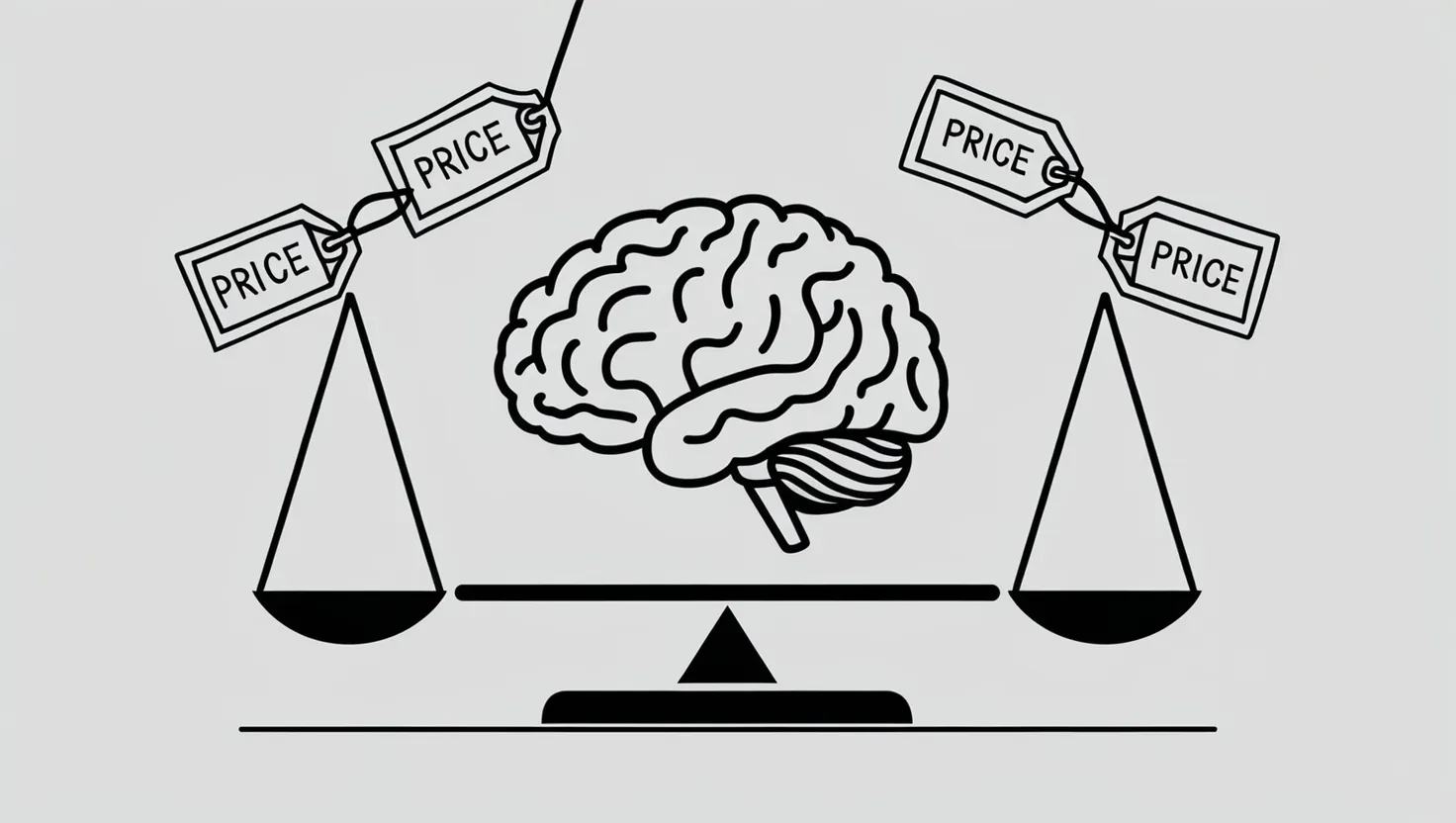
Now let’s talk about something that’s been taking advantage of you your whole life without you even knowing it. It’s called the anchoring effect, and once you see it, you’ll spot it everywhere. The first number you hear in a negotiation is like a magnet. It pulls your thinking toward it, even when you know it shouldn’t. Let me explain with an example from my own life.
I was negotiating a job offer once. The company’s first offer was higher than I expected. I was thrilled. The thing is, after they gave me that number, I couldn’t shake it. When we discussed benefits and vacation time and other details, that number stayed in my head. It became my reference point. What I didn’t realize was that this first number they offered wasn’t based on what I was actually worth or what the position actually paid in the market. It was just what they decided to start with. But it anchored me.
Here’s what’s wild: research shows that even when people know about anchoring, it still works. Even when you’re explicitly told that the first number is random or irrelevant, it still influences your thinking. A judge who hears a prosecutor suggest a sentence will recommend something closer to that suggestion, even though judges are supposed to be immune to this kind of influence. In one famous study, researchers had people spin a wheel with random numbers on it, then asked them to estimate the percentage of African nations in the United Nations. The number on the wheel they just spun influenced their estimate. A random wheel. It didn’t make sense, but it worked.
Why does this happen? Because your brain is lazy in a smart way. It’s trying to conserve energy. When faced with a complex question like “what is a fair salary for this position?”, it takes the easier path. It grabs the first number available and adjusts from there. That’s much easier than doing the actual work of researching market rates and thinking through all the relevant factors. I’ve started protecting myself from this by doing research before any negotiation. I set my own anchor, my own reference point, so that when someone else tries to anchor me, I at least have a counter-anchor ready.
Think about the last time you were shopping for something expensive. Did the first price you saw stick in your head? Did it make the second price seem cheaper or more expensive depending on how they compared?
The third insight is perhaps the most important one because it explains why so many of us make choices we later regret. It’s about loss aversion, and it’s far more powerful than most people realize. Here’s the basic truth: losing something hurts roughly twice as much as gaining the same thing feels good. You lose fifty dollars, and it stings way more than gaining fifty dollars would make you happy. This isn’t just about money. It’s about everything. A criticism sticks with me far longer than a compliment. A missed opportunity bothers me way more than taking an opportunity that works out well makes me feel good.
This bias has shaped human evolution. Our ancestors who were loss-averse survived better than those who weren’t. If you were willing to take big risks because you were optimistic about gains, you might have been eaten by a tiger. If you were terrified of losing what you had, you were more careful and more likely to survive. So we inherited this fear of loss. The problem is, this served us well when we were worrying about tigers, but it doesn’t serve us well when we’re trying to build a successful life.
Loss aversion makes us overly cautious. It makes us stick with bad relationships because we fear the loss of what we have, even if what we have is making us miserable. It makes us stay in jobs we hate because we fear the loss of our paycheck and health insurance, even though staying might be preventing us from finding something better. It makes us avoid investing in our own growth because we fear losing money, even though not investing guarantees we stay stuck.
I noticed this in myself when I was considering leaving my comfortable job to start a business. My brain was fixated on everything I could lose. I would lose my steady paycheck. I would lose my health insurance. I would lose the prestige of working at an established company. I would lose my free time. The potential gains seemed smaller and further away. More money, more freedom, more fulfillment. But these felt theoretical and far off, while the losses felt immediate and real.
The solution to loss aversion isn’t to ignore it. It’s to reframe. Instead of thinking about what I might lose, I started thinking about what I would regret not trying. Instead of “I might lose my job security,” I thought “I might forever regret not testing myself.” This isn’t denying that loss aversion exists. It’s working with it instead of against it. When you reframe a potential loss as a missed gain, the emotional weight shifts. You’re still accessing the same emotional system, but you’re pointing it in a more useful direction.
Here’s what I want you to do starting today: notice your decisions. Notice when you’re trusting your gut and when you’re thinking carefully. Notice when the first number you hear is influencing your thinking. Notice when you’re making choices based on fear of loss rather than hope for gain. Your brain is an incredible tool, but it needs a driver who understands how it works.
What decision are you making this week that could be influenced by these three patterns? What would change if you stopped trusting your first instinct and engaged your careful thinking instead?