How to Pay Off Debt While Building Wealth: The Smart Strategy Most People Miss
Discover proven strategies to pay down debt while building wealth simultaneously. Learn hybrid payoff methods, smart arbitrage tactics, and tax-efficient approaches that maximize your financial progress. Start today!
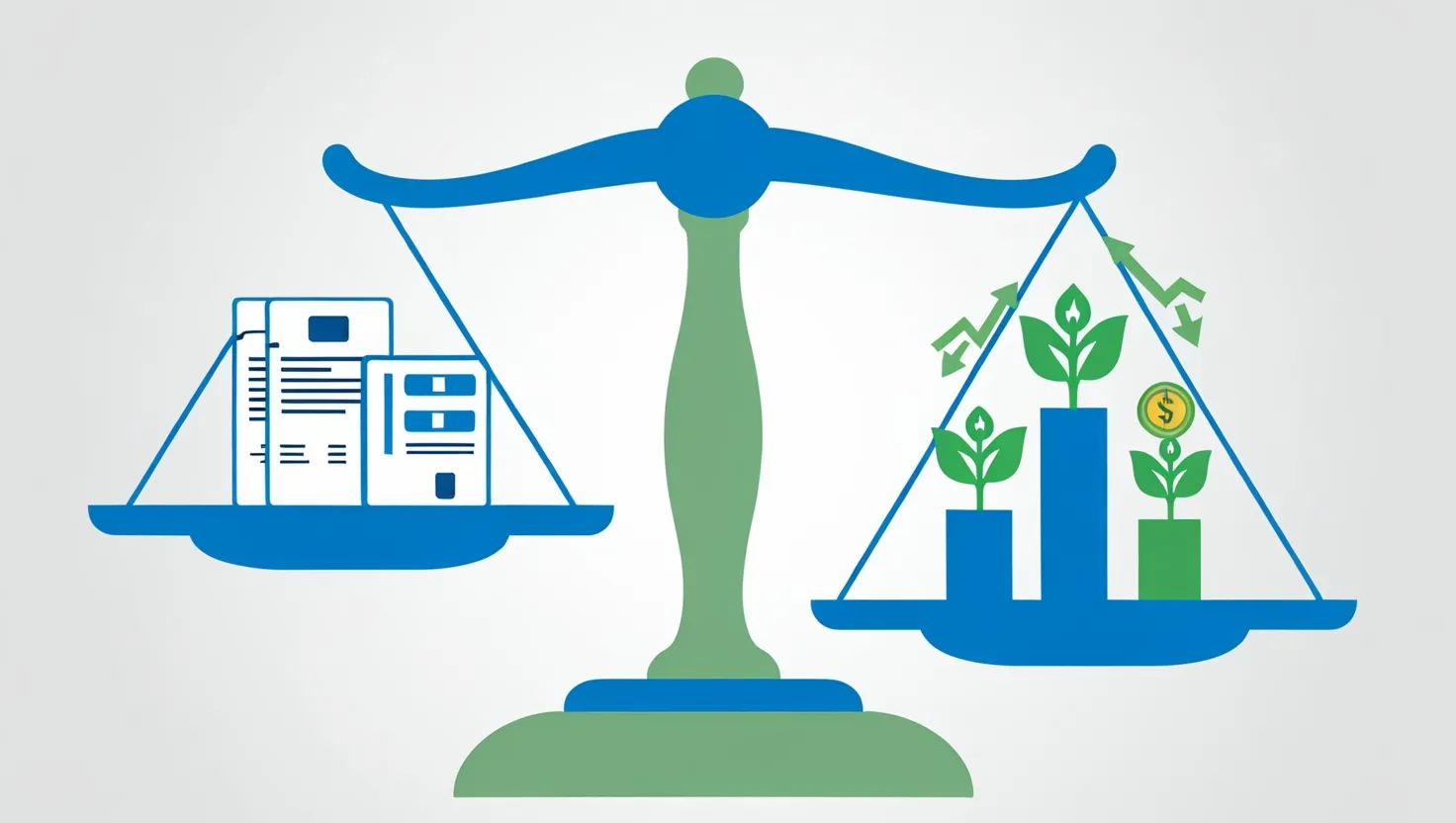
How many times have you stood at the crossroads of financial advice, listening to one expert urge you to pay down all debt with relentless focus while another insists you must invest every spare dollar for your future? I know that place quite well. The debate between clearing debt versus building wealth isn’t just a theoretical game; it shapes how fast we reach real financial independence. But what if this was never meant to be an “either/or” scenario? What if, with the right approach, you could pay down debt and grow your wealth at the same time? That’s the path I want to share with you—one that most finance writers only hint at. Want to see how?
There’s something deeply satisfying about watching a balance drop rapidly. The snowball and avalanche methods both cater to this urge but in different ways. With snowball, you’re motivated by knocking out the smallest debt first—those quick wins release endorphins that can keep you going when the journey is long. The avalanche method is the strategist’s play: attack high-interest balances first, minimizing the total interest you pay. But after seeing hundreds struggle with both, I learned combining them can create a hybrid method that spares you unnecessary interest while also giving you psychological wins. Pick your smallest, nasty high-interest debt and attack it. Once it’s gone, switch your focus between the next-highest interest or smallest balance—whichever will give you renewed momentum. If you love quick progress and hate wasting money, why stick to rigid rules? Ask yourself: Which debt, if paid, would make me feel free tonight—and which would cost me the most if I let it linger?
Then, I started thinking like an investor, not just a debtor. Banks do this all the time through a process called “arbitrage”—borrowing at one rate while investing for a higher return elsewhere. Why not apply the same logic at home? Suppose you have a student loan at 3% and you’re disciplined enough to find a savings product earning 6%. Paying just the minimum on the 3% loan while funneling extra cash into the higher-earning investment isn’t just a hack—it’s a smart use of capital. Every dollar that earns more than it costs you to borrow is a dollar working double: reducing your stress about debt while quietly growing your net worth. Have you ever looked at each of your debts and investments side by side, calculating the breakeven yield? Next time you’re torn between making an extra payment or investing, crunch the numbers. Sometimes the math can be more powerful than habit.
Let’s talk about loans with a purpose. I used to avoid new debt at all costs—until I realized the difference between bad debt (like revolving credit cards) and secured debt taken out to acquire income-generating assets. Using a HELOC at 5% to purchase a piece of rental property yielding 9% net return isn’t reckless—it’s leveraging. Wealthy individuals and even conservative endowments have done this for decades. They borrow at low rates to purchase solid assets with higher yields, effectively using other people’s money to build their own fortunes. If you’re considering using debt as a tool, ask yourself: Will this borrowing create more income than it costs? Will the asset likely appreciate or lose value? Imagine what your finances would look like if every dollar you borrowed made you richer instead of poorer.
As we pay down debt, too many people make the same expensive mistake: after the final payment, their breathing room disappears without a plan. Cash flow optimization is the answer. I’ve found setting up two “buckets”—one for debt defeat and another for future investments—turns intention into habit. Each time you pay off a debt, immediately redirect that monthly payment into automatic investing. Don’t trust yourself to remember; let the automation carry your good habits forward. Over time, you’ll see both your liabilities shrink and your assets swell—often faster than you thought possible. Have you ever celebrated a debt payoff by increasing your lifestyle costs instead of redirecting those payments to something smarter? What would happen if you treated each debt payoff as a promotion for your future self?
“Do not save what is left after spending, but spend what is left after saving.” — Warren Buffett
I want to share a twist few consider: sometimes, the most expensive debt isn’t your mortgage or car loan, but the debt that shoves your tax bill higher. Not all debt is created equal in the eyes of the IRS. Mortgage interest? Often deductible. Credit card interest? Never deductible. Instead of aiming for a zero-mortgage life when rates are low and the tax benefits are high, it can be much more powerful to accelerate the elimination of debt that provides no such breaks. Why pay off “good” debt quickly when it’s subsidized by tax benefits? If you have a deductible mortgage at 4% but a private student loan at 7% with no deduction, prioritizing the latter is more than common sense—it’s tax-efficient. Could your next payment plan be inspired by which debts help you at tax time?
These concepts aren’t just for spreadsheets or theory; I see them in action all the time. A friend of mine paid the minimum on her low-rate student debt, investing the surplus in CDs. Each year, her investment returns eclipsed the interest she was accruing. Another acquaintance refinanced a car loan, cutting the rate by almost half, and then channeled the monthly savings into a Roth IRA. The car is still there, but now his retirement stash grows quietly in the background. There are landlords I know who used HELOCs to buy high-yield rentals, watching the tenants essentially pay down the new debt while they collect the spread. Even more simply, some automate every dollar freed from a paid-off credit card directly into index funds or retirement accounts. Imagine, every time a debt disappears, your wealth account grows faster.
“Beware of little expenses. A small leak will sink a great ship.” — Benjamin Franklin
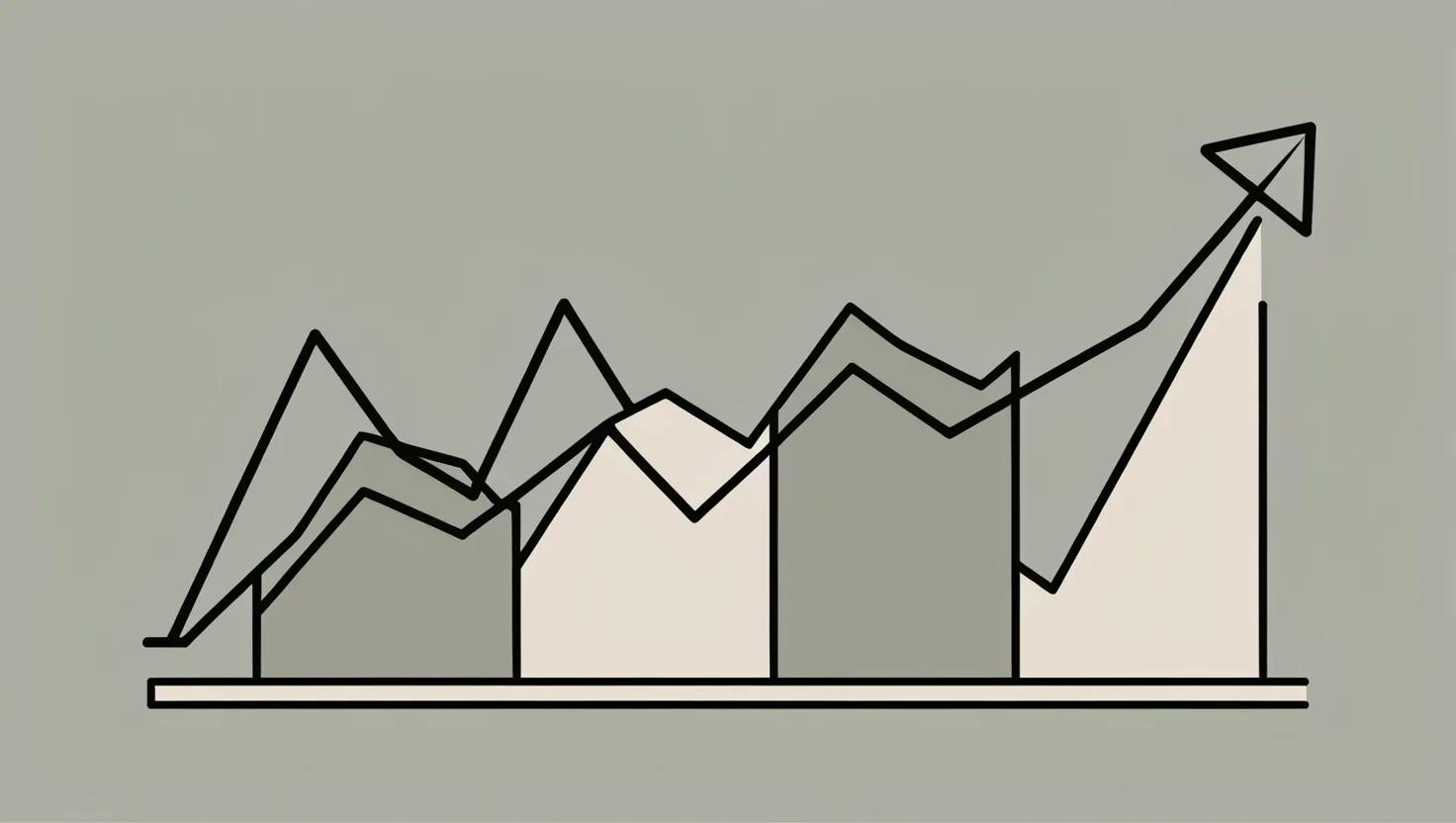
Nothing sticks like a visual reminder. That’s why I recommend setting up side-by-side “debt defeat” and “wealth building” accounts—watch your liabilities fade while your investments climb. The psychological boost is real, and it feeds into better decision-making every quarter. Every three months, set aside an hour to audit your interest expenses. Find any high rates still lingering? Negotiate with lenders, get quotes for refinancing, or shift priorities. Sometimes a single phone call can trim hundreds off your annual interest.
How do you split windfalls—tax refunds, bonuses, surprise cash—between debt and investments? I’ve had success with a simple 50/50 rule: half to debt, half to boosting your investments, regardless of which is mathematically optimal. This keeps your mind and emotions in balance, avoiding burnout or resentment that can come from funneling everything toward one side. The progress in both directions accelerates, and you feel in control. When was the last time you treated a windfall as a tool for future wealth, not just a chance for a treat?
“Opportunities come infrequently. When it rains gold, put out the bucket, not the thimble.” — Warren Buffett
For some, the hardest part is knowing when to pay extra toward debt and when to invest. Here’s a trick I use: only pre-pay loans when the guaranteed return (the interest saved) beats any investment you’d otherwise make. Otherwise, keep the cash compounding. This rule applies up to the smallest differences—even a few tenths of a percent matter over decades.
Each of these strategies blends the best mathematical logic with the behavioral reality of human decision-making. Anyone can write about numbers; what matters is building a plan you’ll stick with when life intervenes. Wealth is built not just by eliminating costs, but by putting every dollar to the most productive use, every month.
Maybe you never thought of your debt payoff journey as a source of growing wealth. Now, if you start treating every payment as both an escape from the past and an investment in the future, you change the ending of your own money story. Ask yourself: which strategy will I start with next month, and what will my life look like when I can see both my debts and my wealth accounts moving in the right direction at the same time?
“The secret to getting ahead is getting started.” — Mark Twain