In the ever-turbulent world of finance, one factor that has consistently managed to shake the foundations of global stock markets is geopolitical tension. As someone who has been following the markets closely, I've seen how these tensions can transform market trends in ways both predictable and unexpected.
The Stagflation Connection
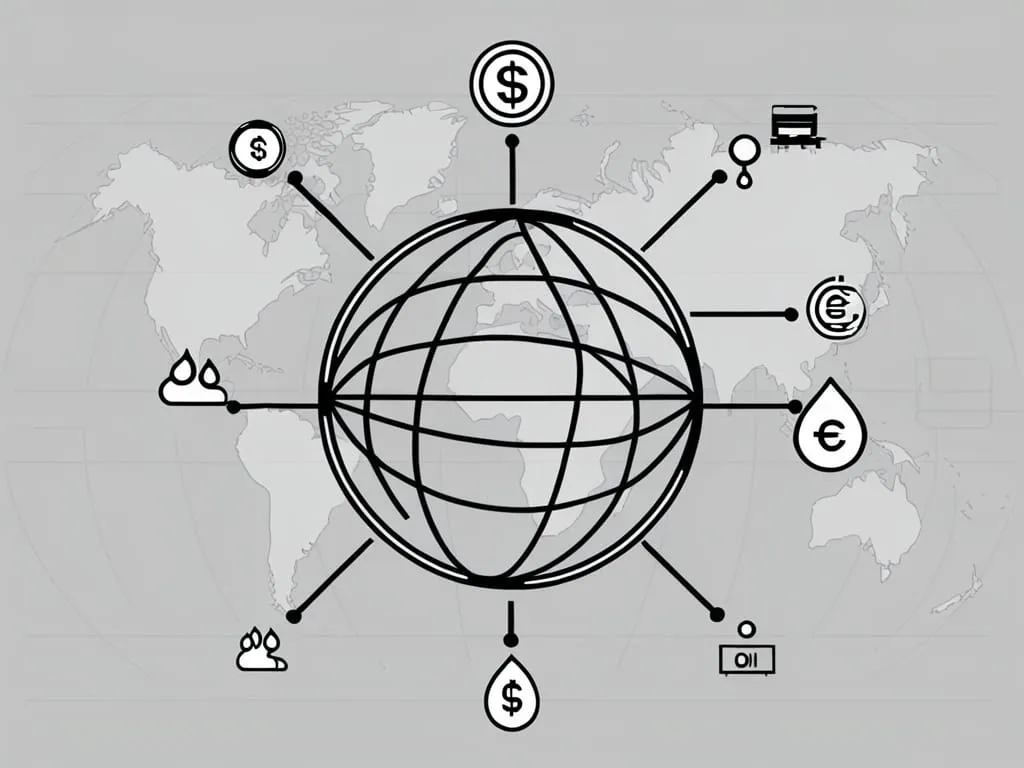
Historically, geopolitical events have had a more significant impact on the stock market when they trigger stagflation – a rare and feared economic condition characterized by slowing economic growth and high inflation. For instance, the 1973 Arab oil embargo, which followed the Yom Kippur War, led to a spike in oil prices that pushed inflation into double digits in the U.S. This period was marked by a significant selloff in the stock market, a scenario that investors and policymakers dread.
However, recent geopolitical tensions, such as the heightened conflict in the Middle East, have not followed this script. Despite the escalation, global growth and macroeconomic data have remained relatively unaffected. According to analysts at Deutsche Bank, the recent rise in oil prices, while significant, has not reached levels that would cause widespread inflationary problems. This has allowed risk assets like U.S. stocks to continue their upward trajectory, defying the traditional response to geopolitical crises.
Global Trade and Geopolitical Fragmentation
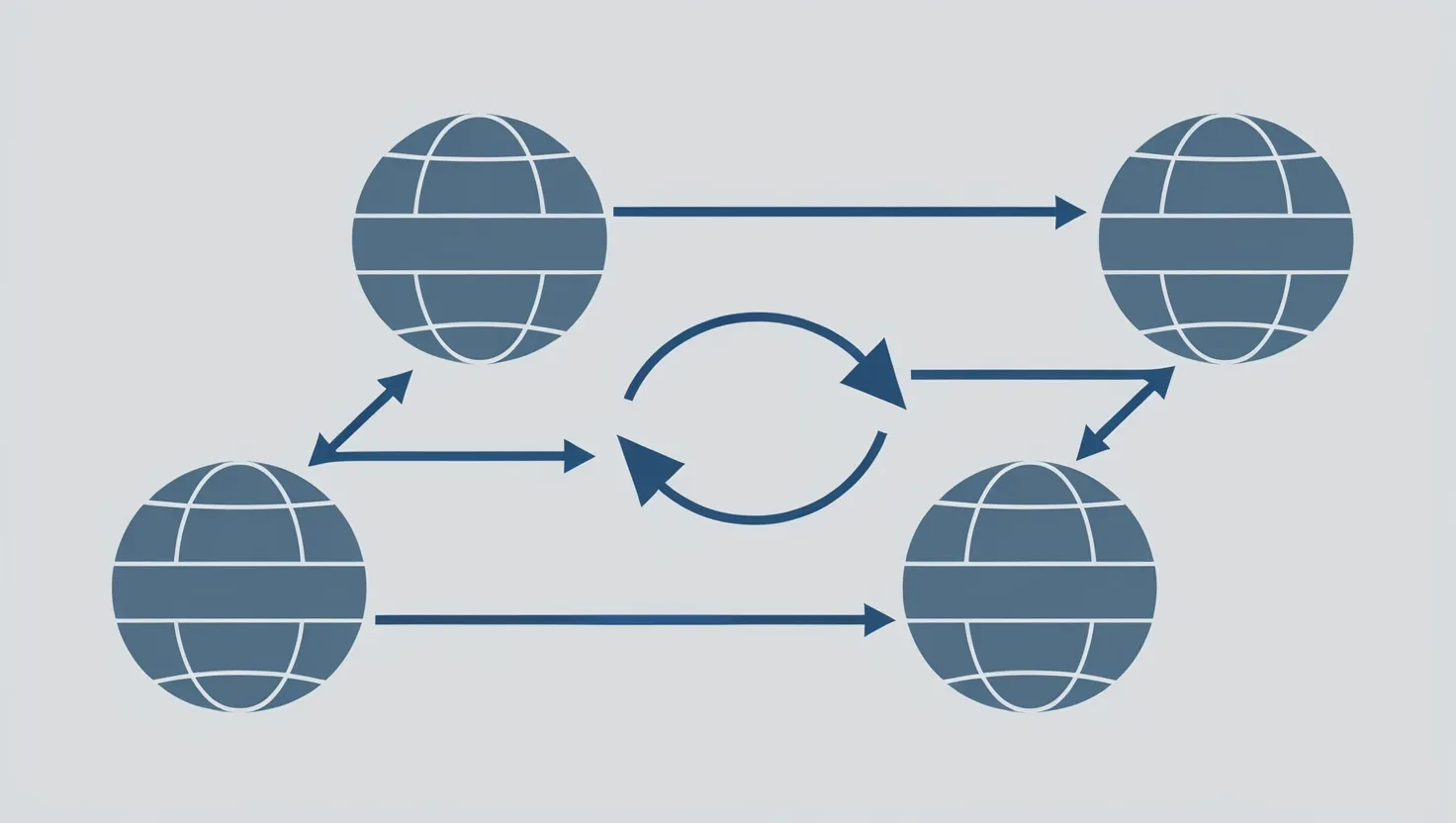
Geopolitical tensions are also reshaping global trade patterns in profound ways. The COVID-19 pandemic and Russia's invasion of Ukraine have prompted countries to reevaluate their trading partners based on economic and national security concerns. This has led to a sharp increase in trade restrictions and financial sanctions, with the geopolitical risk index spiking in 2022.
For example, the trade tensions between the U.S. and China have resulted in significant shifts in trade flows. China's share in U.S. imports declined by 8 percentage points between 2017 and 2023, while the U.S. share in China's exports dropped by about 4 percentage points during the same period. This fragmentation is not limited to these two superpowers; trade and investment flows are being redirected along geopolitical lines, with countries forming blocs based on their alignments.
Interestingly, some trade and investment are being rerouted through third-party countries, partially offsetting the erosion of direct links between geopolitical rivals. This complex web of trade relationships highlights the interconnectedness of global affairs and the need for nuanced strategies to navigate these complexities.
Impact on Financial Markets
Geopolitical events introduce a high degree of uncertainty into the global economic environment, which can significantly impact stock market performance. Elections, wars, and terrorist attacks can generate market volatility as investors grapple with the potential impact on future economic growth. For instance, the Russia-Ukraine conflict and the ongoing Israel-Hamas war have disrupted international relations and economic partnerships, leading to market uncertainty.
The initial response of the stock market to such events is often a sharp decline as investors deal with fear and uncertainty. However, history suggests that the impact of these events is typically short-lived, with markets tending to recover within months. The S&P 500, for example, has shown remarkable resilience after notable geopolitical events, such as the Pearl Harbor attack and the September 11 terrorist attacks.
Energy and Climate Change
Energy and climate change are becoming increasingly polarizing issues, further complicating the geopolitical landscape. The recent energy price shock following Russia's invasion of Ukraine has underscored the importance of energy security. While this shock has catalyzed decarbonization efforts, it also highlights the challenges faced by governments in ensuring stable energy supplies.
Climate change, with its extreme weather events and rising sea levels, is already disrupting trade routes and damaging infrastructure. This not only affects national security but also has significant implications for global stability and economic growth.
Cybersecurity Threats
In addition to traditional geopolitical tensions, cybersecurity threats are emerging as a major concern. State-sponsored cyberattacks are on the rise, targeting vital infrastructure such as power grids and water supply networks. The European Parliament website was made inaccessible for several hours in 2022 due to a pro-Kremlin cyber attack, and similar incidents have affected other countries, including Moldova and Australia.
These threats require governments and organizations to be on high alert, further complicating the already fragile global economic environment.
Navigating Geopolitical Risks
So, how can investors protect their portfolios from the risks associated with geopolitical tensions? The key is to avoid making hasty decisions based on temporary shocks. History has shown that the impact of international conflicts on markets is usually short-lived, and markets tend to recover within months.
Diversification is another crucial strategy. Investing across different asset classes can help mitigate the risks associated with geopolitical events. For instance, during periods of high geopolitical tension, assets like gold often see increased demand as investors seek safe havens.
Personal Strategies
From my own experience, it's essential to stay informed but not let fear dictate investment decisions. I recall the days following the September 11 attacks when the market plummeted, but within a few weeks, it began to recover. It's crucial to have a long-term perspective and not make knee-jerk reactions to short-term market volatility.
Additionally, understanding the broader economic context is vital. For example, the recent monetary stimulus measures in China and the strong U.S. jobs report have outweighed the geopolitical impact, pushing risk assets higher. This highlights the importance of considering multiple factors when making investment decisions.
Conclusion
Geopolitical tensions are an inherent part of the global economic landscape, and their impact on stock markets is multifaceted. While these events can introduce significant uncertainty and volatility, they also present opportunities for investors who are prepared and informed.
By understanding the historical context, the current geopolitical landscape, and employing strategies like diversification and a long-term perspective, investors can navigate these turbulent waters more effectively. As the world continues to evolve, one thing is clear: geopolitical tensions will remain a key factor in shaping global stock market trends.