Think back to the last time you made a simple purchase—a packet of chips, maybe, or a new fridge. Did you ever pause and wonder, “How does government policy really shape what comes into my home or what happens to my waste?” More and more, the answer in India is: much more than you’d think. The push for green governance isn’t just about distant regulations or abstract commitments to a cleaner planet. It’s becoming part of everyday life, right from the moment we open a snack to how we handle an old smartphone. Let’s explore how five policies, often discussed in parliament halls, are now quietly shaping our kitchens, living rooms, bills, and even our habits.
Mahatma Gandhi once said, “Earth provides enough to satisfy every man’s need, but not every man’s greed.” This wisdom sits at the root of our evolving green governance.
Start with something as ordinary as plastic packaging. Have you noticed how the wrapper of your favourite snack is thinner, or that some products now come in paper-based boxes? That’s not just a design shift—it’s Extended Producer Responsibility (EPR) at work. This rule makes companies responsible for collecting and recycling the plastics they sell. In the past, companies could just push packaged goods into the market and forget about the mess left behind. Now, producers have to ensure that for every tonne of plastic they use, they must recover and recycle a certain amount.
But here’s where it gets personal. The cost of this recycling effort is often included in the product price. Over the last year, some packaged FMCGs quietly shrank their plastic footprint or switched to alternatives. For example, detergents in flexible packs or snacks in compostable wrappers. This means consumers are, in a way, co-funding a cleaner India every time they shop. Some companies even offer incentives—bring back empty packaging and earn discounts—which transforms households from mere users into contributors to the recycling chain.
Let’s switch gears and talk about the glowing stars in every Indian middle-class home—appliances. Did you know that choosing a 5-star rated fridge over a 2-star one can cut your electricity bill dramatically over the years? The government’s energy efficiency standards and mandatory star labels have changed how appliances are made and sold. Manufacturers now compete on efficiency, not just on price.
What started as a dry policy on paper is now an everyday consideration. The iconic Bureau of Energy Efficiency (BEE) star label isn’t just a sticker; it’s a tool for savings. A family switching to a high-rated air conditioner or LED bulbs could see a 30-40% reduction in electricity bills. Modern inverter technology, now more common thanks to these rules, is a direct result. This has another benefit: less power drawn from coal plants, which means fewer emissions, cleaner air, and cooler cities. If you’re ever torn between two appliances, ask yourself—which one will be kinder to my wallet and the air my family breathes?
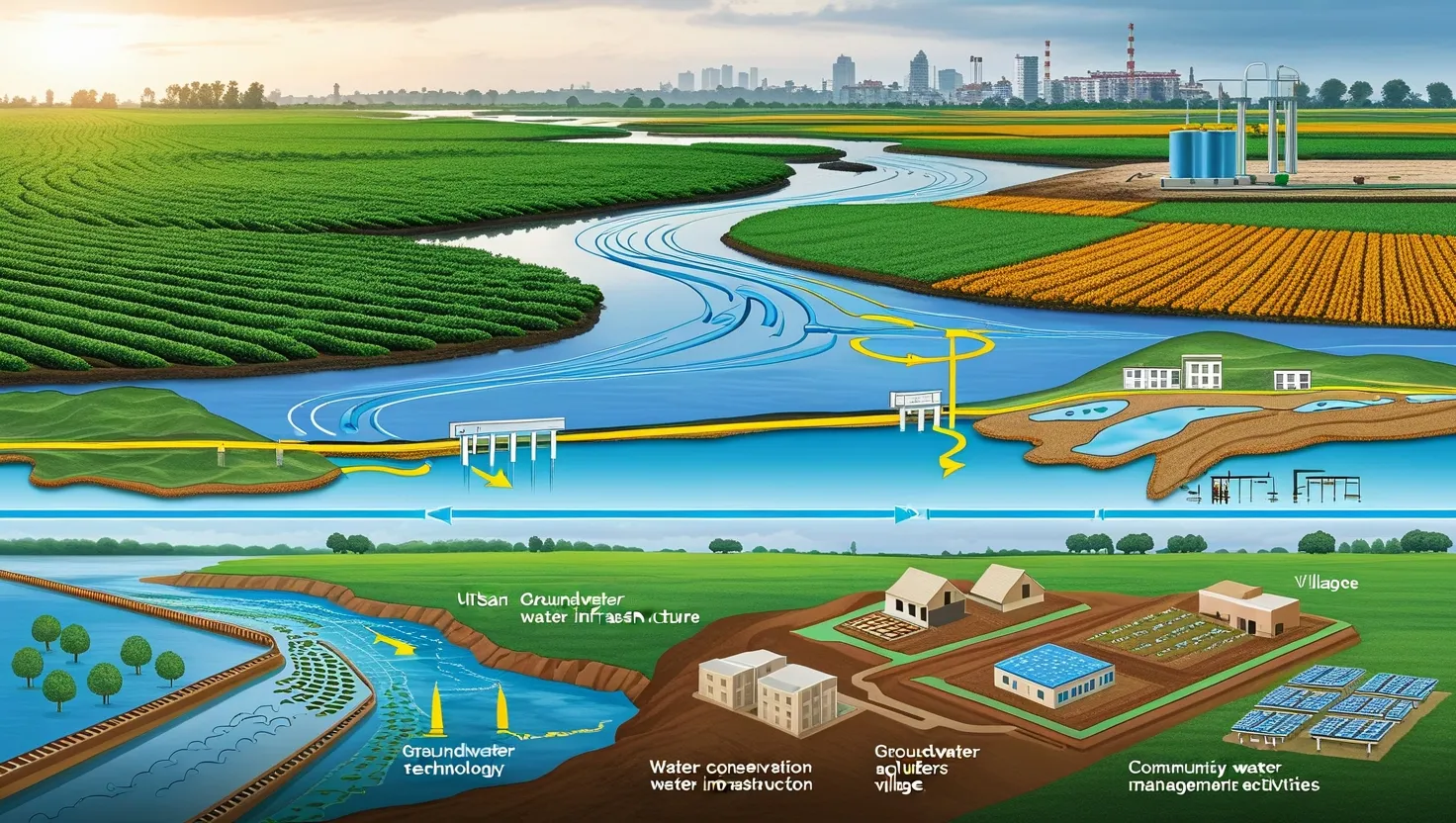
Here’s a question to consider: When was the last time you checked if your housing society harvested rainwater? Urban water conservation mandates now make it compulsory for new buildings to have rainwater harvesting systems and dual plumbing. Most city corporations, from Bengaluru to Delhi, insist on these features in building bylaws. But the impact is most visible at home during water shortages.
Rainwater harvesting isn’t just a builder’s headache. Residents can tap into these systems for gardening, flushing, and even washing. Some societies now use dual plumbing to separate recycled “greywater” for non-drinking purposes—slashing water bills and lessening the load on municipal water supply. If you’re living in a new apartment, ask your RWA how the harvested water is being used. If you’re building or renovating, explore how a simple recharge pit in your backyard can support your borewell or garden. In a country where every drop counts, this policy is quietly transforming household water security.
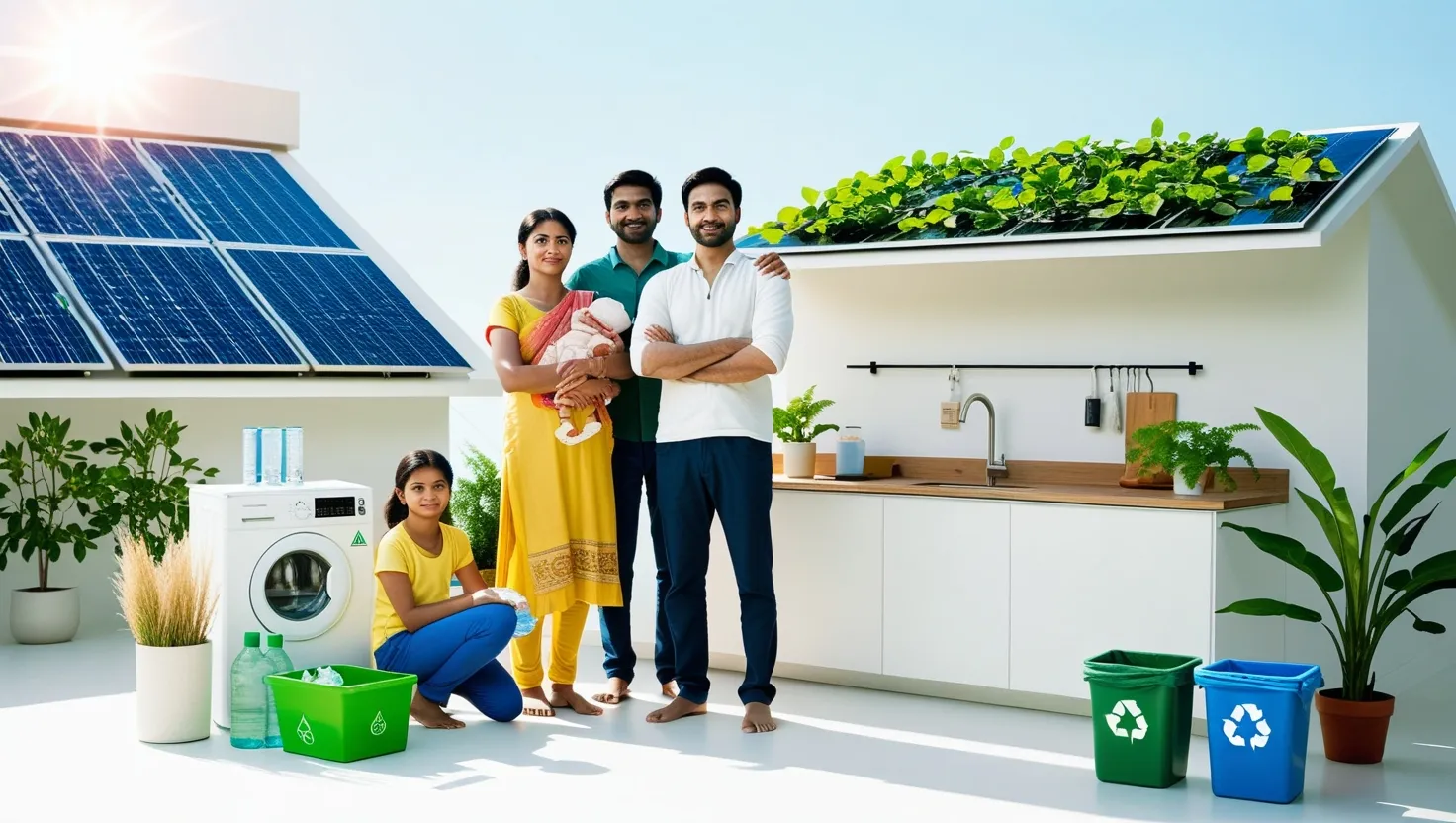
Let’s move out of the city for a moment. For millions of rural and semi-urban Indian families, the sun is no longer just a source of heat but a growing source of savings. The PM-KUSUM scheme and its extensions now offer direct subsidies to install solar panels, especially for farmers and homeowners. What does this mean in a tangible sense? Imagine a farmer who once spent thousands on diesel to pump water, now watching his solar-powered pump do the same work at zero running cost. Or a family on the grid, seeing their monthly bill drop as rooftop panels feed power back and earn them credits.
What’s less known is just how easy the government is making it to claim these benefits. There are online portals to apply for subsidies, and approved vendors will take care of the paperwork. If you have a rooftop, you could become a micro-producer of electricity, lowering your bills and sometimes earning a little extra by selling unused power back to the grid. This isn’t a far-off target anymore; it’s happening in thousands of towns and villages every month.
As Benjamin Franklin once quipped, “When the well’s dry, we know the worth of water.” Solar power, too, is helping us recognize the true cost—and value—of the energy we use.
Now, let’s meet the digital elephant in the room: e-waste. India is one of the world’s fastest-growing electronics markets. Every household has that mysterious drawer filled with old mobile phones, tangled charger cables, and defunct gadgets. The government’s e-waste disposal rules now require retailers and brands to take back used electronics for safe disposal. No more tossing a printer or cellphone in the dustbin.
Many large electronics outlets have collection bins. Some brands offer discounts or gift vouchers if you return your old device. This is more than a neat recycling trick; it’s a guardrail protecting us from toxic heavy metals leaking into our soil and water. Next time you upgrade your phone, ask the retailer about their take-back program. If every family disposed of even one old device responsibly each year, the environmental impact would be enormous.
Let’s pause and ask: how much of this do we truly notice, and how much have we already begun to accept as “just how things are now?”
There are, of course, challenges. Not every policy has been a smooth ride. Some cities lag in enforcing water bylaws, or see rainwater harvesting systems built but left unused. Not every retailer is keen to handle e-waste, sometimes citing lack of infrastructure. And as plastic recycling costs get built into MRP, choices for truly sustainable packaging can still be limited.
Yet the momentum is clear and growing. As more consumers seek out products with green labels, as appliance designers race to improve efficiency, as building contractors factor in rainwater harvesting in their plans—policy is no longer just a word in the news. It’s a quiet force, shaping the choices you make each day.
The big takeaway, in my experience, is that being part of India’s green transition doesn’t require grand gestures. It’s built on small, everyday choices: choosing a star-rated appliance, returning a gadget, checking that harvested rainwater isn’t wasted, or applying for a solar subsidy. When enough people do these things, we tip the balance—house by house, street by street—towards a cleaner and more sustainable future.
So the next time you notice a change in your packaging, spot a solar panel on your neighbor’s roof, or drop off an old device for recycling, remember: you’re not just following a rule. You’re part of a quiet revolution in how India governs its relationship with the planet. And, as ever, the biggest impact starts right at home.
“Never doubt that a small group of thoughtful, committed citizens can change the world; indeed, it is the only thing that ever has.” — Margaret Mead
What’s your next green step?