How 4 Water Management Strategies Are Reshaping Corporate Operations and Supply Chains
Discover how water scarcity is reshaping business operations with 4 innovative strategies: smart leak detection, process redesign, wastewater recycling, and precision irrigation. Learn actionable solutions that reduce costs, mitigate risks, and future-proof your supply chain. Transform water challenges into competitive advantages today.
Let’s talk about water—the single resource that flows quietly behind the scenes in everything you touch, eat, and use. If you pause just for a moment and look at the shelves in your kitchen, the servers running the sites you visit, or the shirt you’re wearing, you’ll see the fingerprints of water everywhere. That ubiquity, however, is now a double-edged sword for global business. Water scarcity is no longer a far-off worry. It’s a pressing boardroom agenda for industries as varied as beverages, semiconductors, and textiles. I want to show you not just how scarcity is changing decisions, but how four fresh strategies are quietly—sometimes radically—reshaping the way leading companies operate.
“Thousands have lived without love, not one without water.”
—W. H. Auden
First, let’s consider the invisible rivers inside our factories and workplaces: the pipes, meters, and tanks. For decades, leaks have been the silent thieves, invisible until disaster strikes. Now, enterprises are deploying digital leak detection systems that don’t just find big bursts—they listen for the faintest drips. Imagine a beverage bottling plant the size of a city block. Each valve, gasket, and bend gets a virtual guardian: sensors and AI learning from every trickle. This isn’t only about saving gallons; it’s about turning maintenance from “repair when broken” to “fix before it fails.” Coca-Cola quietly cut its water use by 20% using such targeting. What would happen in your own operation if you could spot a small leak before it flooded a warehouse? It’s not a technological fantasy, but a day-to-day process shift.
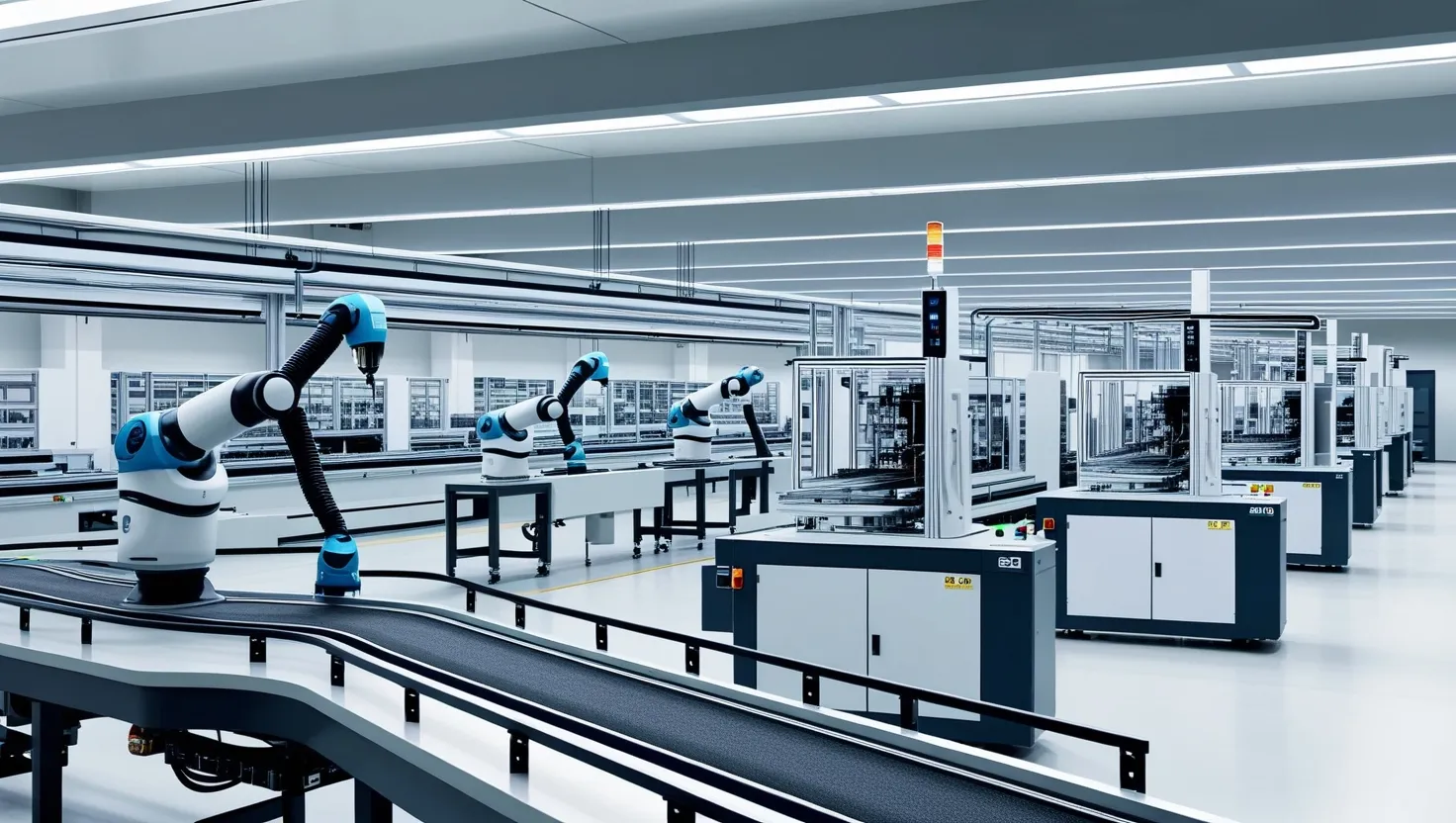
Now, look at the heart of manufacturing—especially in places where water is both a tool and a canvas, like textiles and semiconductors. Every microchip etched, every pair of jeans dyed, can gulp up surprising amounts. But process redesign is now catching on, moving from outlier to expectation. I’ve seen factories that once filled vats to the brim now get the same work done with a fraction of the input by tweaking the steps, re-sequencing washes, or even recapturing rinse water as the feedstock for the next batch. It forces you to ask: Are there steps in your own workflow that exist because “that’s how it’s always been done”? What’s the real cost of sticking to legacy processes when water bills and risks from shortages keep climbing?
“If there is magic on this planet, it is contained in water.”
—Loren Eiseley
The conversation shifts again once you step outside the factory wall and into the web of city utilities, public pipes, and treatment plants. Wastewater used to be a liability, but it’s now becoming a traded asset. Some leading-edge companies are no longer simply discharging after use—they’re working directly with municipalities to actually buy back and recycle treated water. Consider a semiconductor giant like TSMC, whose production can come to a halt if clean water is even briefly interrupted. Instead of hoping for steady supply, TSMC invests in on-site treatment plants and enters partnerships with local governments. This blend of public and private innovation reduces everyone’s risk: cities get a stable industrial partner, while factories buffer themselves against droughts and regulatory shocks. Here’s something to ponder: What sort of new relationships could your company build with local utilities, if you viewed wastewater as a resource, not refuse?
“Water is the driving force of all nature.”
—Leonardo da Vinci
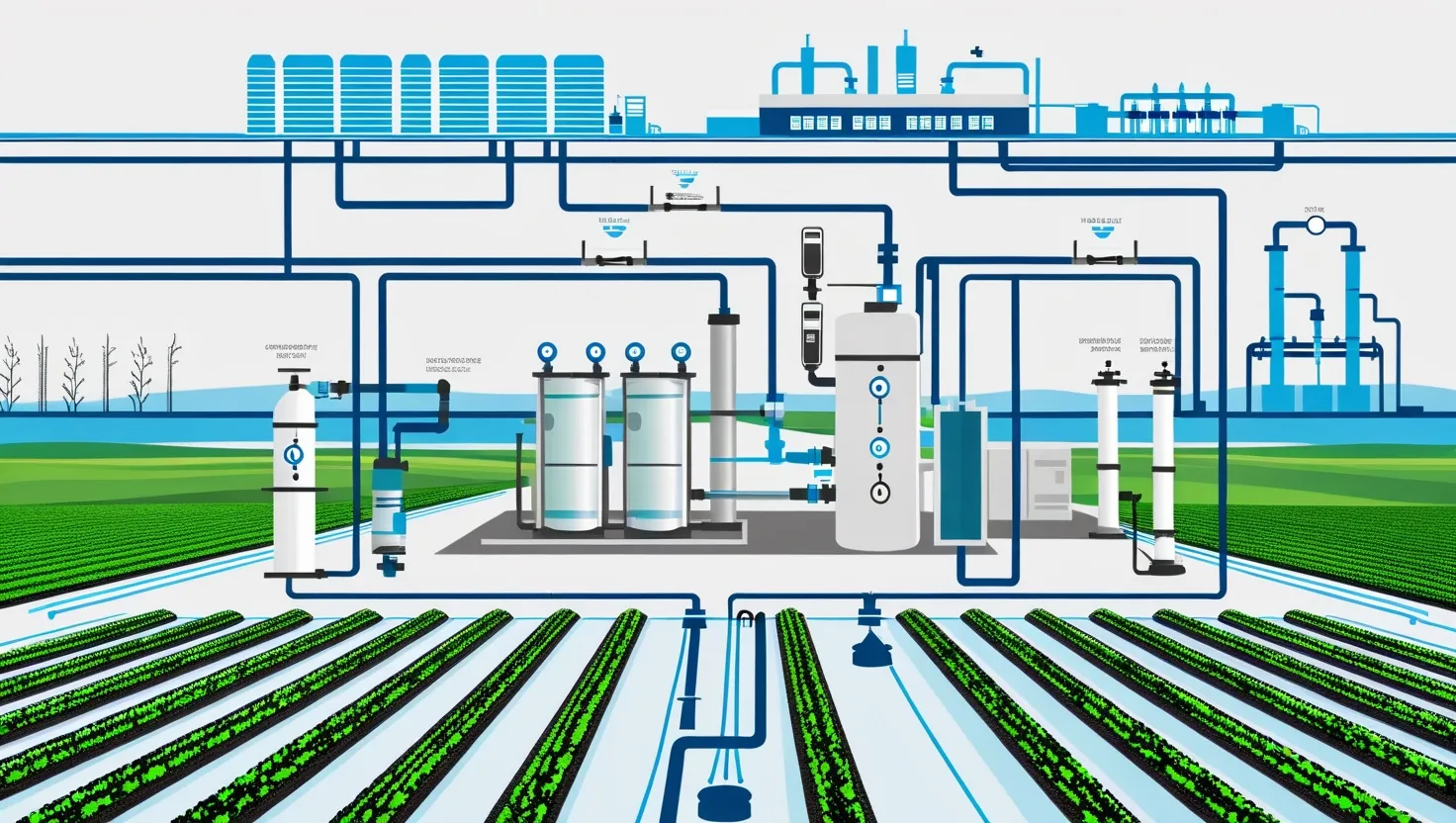
Let’s not forget upstream: the farms. Most water isn’t consumed in factories, but in fields. Here’s where innovation gets truly tangible: precision irrigation. Companies sourcing fruit, grain, or cotton are nudging their growers to adopt smart irrigation—tech that gives each plant exactly what it needs, when it needs it, measured to the milliliter. It’s not science fiction. Sensors in the soil now communicate in real-time with cloud-based dashboards at headquarters. The effect? Massive reduction in runoff and a steadier, higher-quality yield. For businesses, this isn’t only an environmental win; it secures the long-term supply chain against volatile climate swings. Have you ever mapped where, and how, every drop that supports your product is used? The most successful brands are turning this data into competitive advantage.
Risk, after all, is what binds all these strategies. From a cost-benefit perspective, water efficiency tech often pays for itself more quickly than most capital investments. For example, advanced leak detectors usually recoup costs within a year or two, while the headlines go to splashier sustainability initiatives. Wastewater recycling, which may sound expensive, often matches the ROI of a new production line if you count not just savings, but the avoided losses from potential shutdowns due to drought or regulation. And process redesign can uncover cascading benefits—lower chemicals, less energy, even faster cycle times.
It’s tempting to look at water management as just another compliance box to tick. But with droughts, floods, and climate unpredictability on the rise, it’s clear that companies who treat water as a strategic resource are less likely to be caught off-guard. Consider the waves of regulation sweeping regions from California to Asia. Those who move first not only lower their risk but also claim a reputational edge as responsible stewards.
“If you want to go fast, go alone. If you want to go far, go together.”
—African Proverb
Implementation doesn’t need to be daunting. Whether you’re running a beverage plant, a data center, or a textile mill, the steps begin with measuring everything—set a baseline for where your water actually goes. Then, build a cross-functional team with operations, maintenance, finance, and even suppliers. Pilot advanced leak detection in your highest-use area. Redesign at least one core process for water savings, documenting the knock-on effects. Explore local partnerships for recycling options, and if your supply chain reaches into agriculture, consider co-investing in precision irrigation pilots. The trick is starting with what’s measurable and scaling up fast from what works.
Have you asked yourself what your true water risks are—not just for today, but in the face of a five-year drought, a chemical spill upstream, or stricter regulations? Are you ready to act, or waiting for the next crisis to decide?
What’s most exciting about the current wave of innovation is that it’s collaborative, not siloed. Beverage bottlers are learning from chipmakers about closed-loop reuse. Tech giants sponsoring startup farms are seeing yields that weather droughts. This learning spills across industries, making each more resilient and competitive.
Water, in the end, is a common thread—essential, underestimated, and more precious than most balance sheets acknowledge. If you rethink your relationship with water, you don’t just reduce risk; you create new value, efficiency, and trust. My challenge to you is this: Where in your business is water doing silent work, and how long can you afford to ignore that flow? The strategies reshaping corporate operations are not just good stories for annual reports; they are lifelines for future growth. Isn’t it time to make water central to every decision you make?