Community Gardens: Cultivating Economic Growth and Social Bonds
Discover how a community garden transforms a neighborhood, boosts the local economy, and fosters social connections. Learn about sustainable farming and microfinance. Join us in growing a better future!
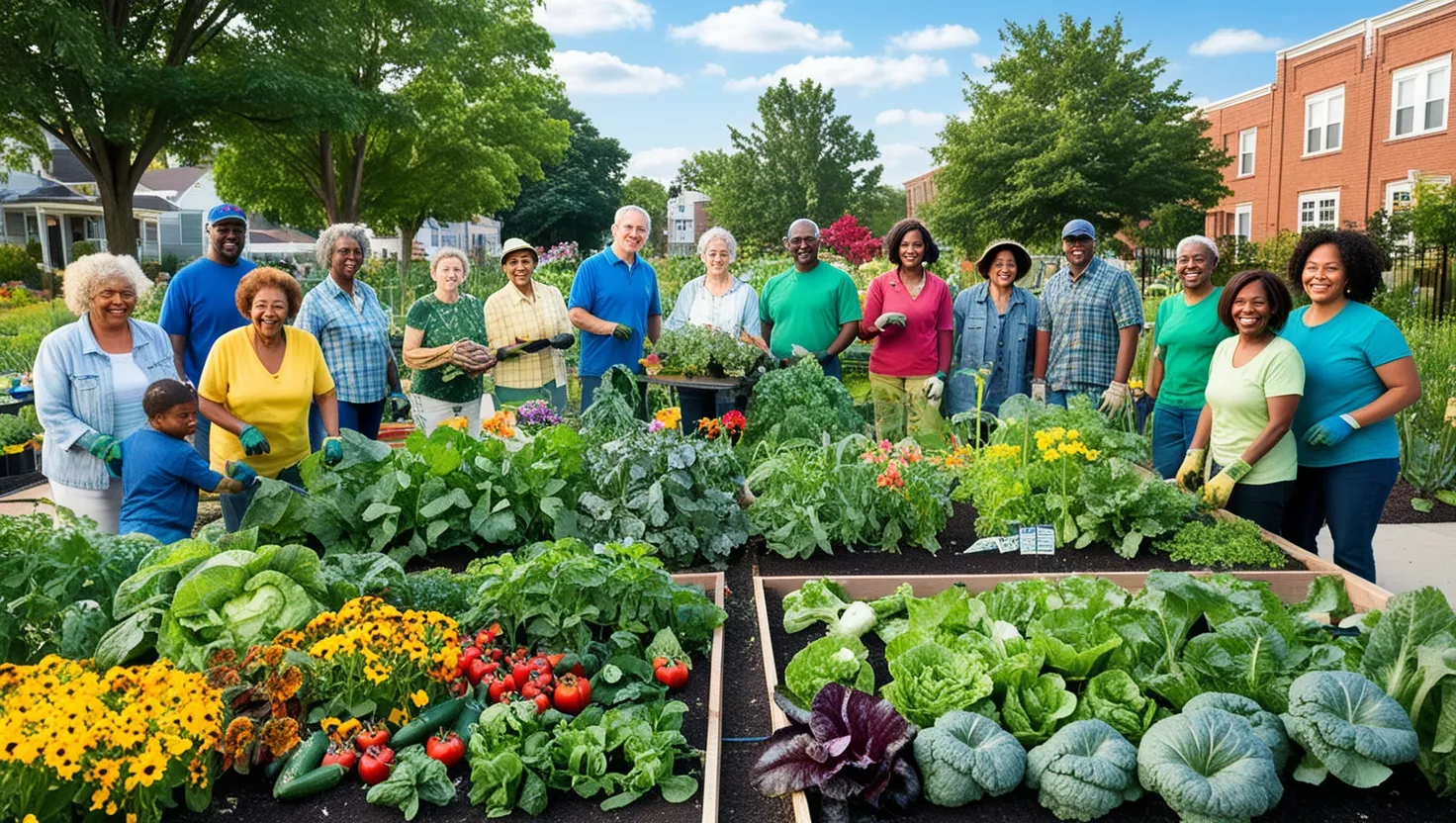
As I walk through the once-neglected lot in our neighborhood, I am greeted by a vibrant tapestry of colors and the gentle hum of community spirit. This is where Emily, a retired teacher, has embarked on a journey that transcends the simple act of gardening. She has created a community garden, a hub where neighbors gather not just to grow vegetables, but to learn, connect, and contribute to the local economy.
Emily’s passion for sustainable farming is evident in every carefully tended bed and every sprout that pushes its way through the soil. But what began as a way to provide fresh, healthy food to the community has evolved into something much more profound. As she teaches her neighbors about the intricacies of composting, crop rotation, and organic pest control, she has also discovered the power of microfinance in fostering local economic development.
The community garden itself is a testament to the economic benefits of such initiatives. Vacant lots, once eyesores and potential hotspots for crime, are transformed into thriving green spaces that enhance the aesthetic appeal of the neighborhood. This transformation is not just visual; it also has a tangible impact on property values. As the garden flourishes, so do the surrounding properties, leading to increased tax revenue for the city and a more stable local economy.
But the economic impact goes beyond property values. The garden has become a platform for small businesses to emerge and grow. Neighbors who have honed their skills in the garden are now selling their produce at local farmers’ markets, engaging directly with the community and stimulating local economic activity. This direct-to-consumer model reduces the carbon footprint associated with long-distance food transportation, making the entire process more sustainable and cost-effective.
As Emily delves deeper into the world of microfinance, she realizes its potential to support these small businesses. Microfinance institutions provide critical financial services to low-income individuals and micro-businesses, offering microloans, micro-savings, insurance, and educational programs. These services are particularly crucial in rural and urban areas where traditional banking services are often inaccessible.
The education component of microfinance is where Emily finds a natural alignment with her teaching background. Financial literacy, bookkeeping, and business management skills are essential for the sustainability and growth of small businesses. By providing these educational resources, microfinance institutions empower entrepreneurs to make informed decisions, manage their finances effectively, and expand their operations.
In our community garden, this empowerment is palpable. Neighbors who were once struggling to make ends meet are now running successful small businesses. They are not just selling produce; they are also offering value-added products like jams, sauces, and baked goods. This diversification not only increases their revenue but also adds to the richness of the local market.
The social benefits of the community garden are equally significant. It has become a space where people from all walks of life come together, sharing stories, advice, and laughter. Immigrants and refugees find a sense of belonging here, learning new skills and integrating into the community. Young people, some of whom have been court-ordered to community service, find a sense of purpose and redemption in the garden’s peaceful environment.
For Emily, the garden is more than just a place to grow vegetables; it is a classroom where she teaches life lessons. She sees how the garden fosters resilience, well-being, and a sense of community among its participants. The act of nurturing plants and watching them grow mirrors the process of nurturing relationships and watching a community thrive.
As the garden continues to grow, so does its impact on the local environment. The variety of plants and trees helps improve air and soil quality, reducing the urban heat island effect and creating a cooler, more livable space. The garden also serves as a model for sustainable agriculture, demonstrating the feasibility of healthy food production without the harmful effects of industrial farming.
In the evenings, as the sun sets over the garden, Emily reflects on the journey she has undertaken. What started as a simple idea to grow some vegetables has blossomed into a multifaceted initiative that addresses food security, economic development, social cohesion, and environmental sustainability. The community garden is no longer just a plot of land; it is a vibrant, living entity that embodies the spirit of community and the power of collective action.
As I look around at the faces of my neighbors, each one tending to their own plot with care and dedication, I realize that Emily’s community garden is more than just a place to grow food. It is a symbol of hope, a reminder that even in the most neglected spaces, there is the potential for growth, transformation, and community building. And as we work together, side by side, we are not just cultivating plants; we are cultivating a better future for ourselves and for our community.