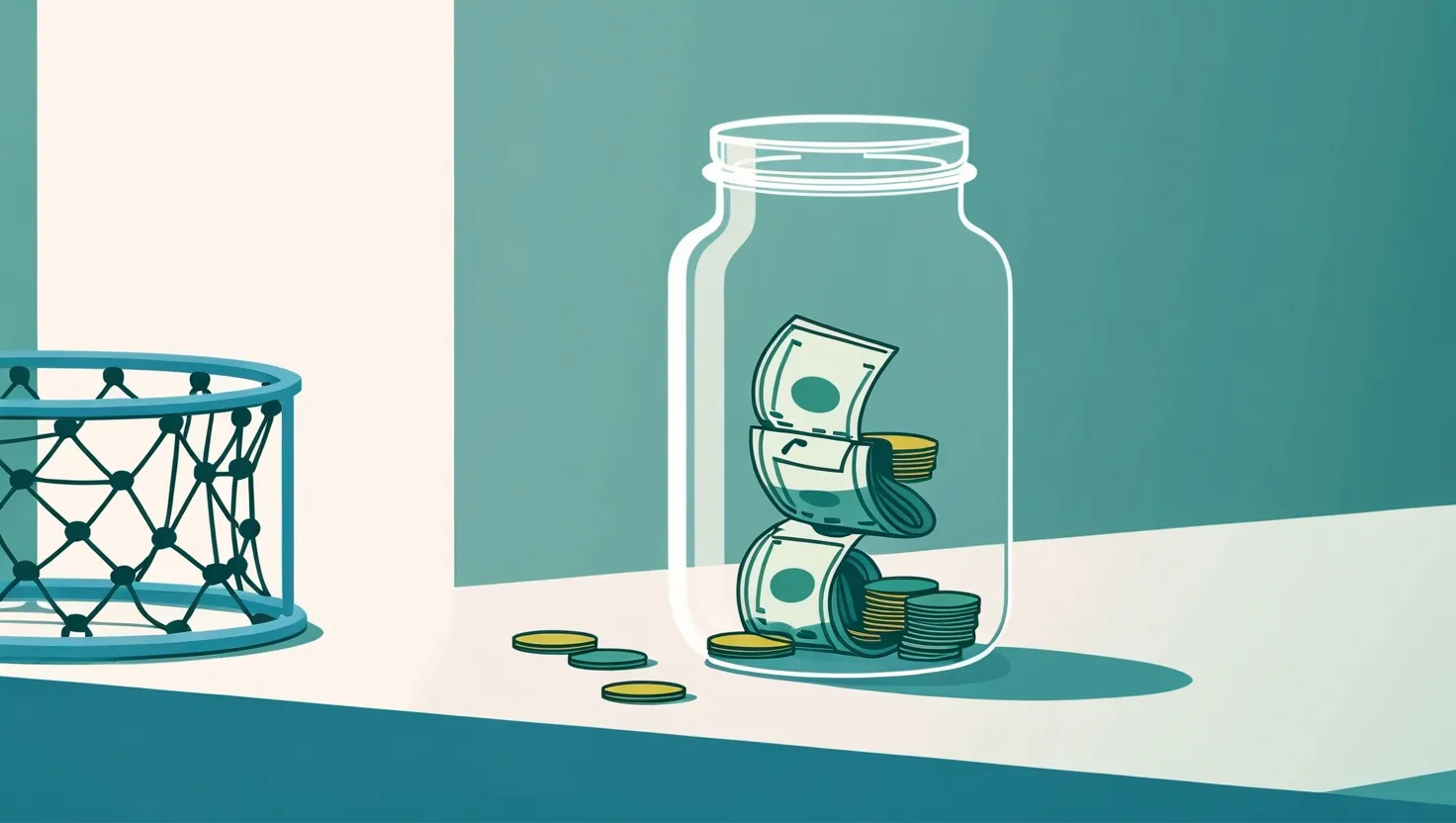
Let’s talk about something most people ignore until it’s too late: your emergency fund. You’ve probably heard the advice—save three to six months of expenses, keep it in a savings account, don’t touch it unless something goes wrong. But here’s the thing: most people don’t actually do it. And even those who try often miss the real tricks that make it work. So let’s break it down, not with jargon or complicated rules, but with real talk and a few secrets most guides never mention.
First, ask yourself: What counts as an emergency? Most people think of job loss or a big medical bill. But emergencies can be quieter—like your laptop dying before a deadline, or your car breaking down on the way to work. These aren’t always life-or-death, but they can wreck your week, your paycheck, or your peace of mind. So your emergency fund isn’t just for disasters. It’s for the small, sudden things that pile up and leave you stressed.
Now, here’s a fact most people don’t realize: your emergency fund doesn’t have to be huge to be useful. You don’t need to save six months of expenses overnight. Start with $500. That’s enough to cover a flat tire, a small medical bill, or a surprise fee. Once you have that, aim for $1,000. Then, slowly build from there. The goal isn’t perfection. It’s progress. As Warren Buffett once said, “Do not save what is left after spending, but spend what is left after saving.” That’s not just smart—it’s practical. It means you pay yourself first, even if it’s just a little.
But here’s a twist: your emergency fund isn’t just about money. It’s about time. Most people think of emergencies as sudden, but the real danger is the delay. If your car breaks down and you can’t get to work, you lose pay. If your phone dies and you can’t contact clients, you lose opportunities. So your emergency fund is really a time buffer. It gives you breathing room to fix things without panic. That’s why it’s so important to keep the money liquid—easy to get, not tied up in investments or long-term accounts.
Now, let’s talk about where to keep it. Most people open a savings account at their regular bank. But here’s a lesser-known fact: online banks often pay higher interest and have fewer fees. That means your money grows faster, even if it’s just a little. And since you’re not spending from this account, you don’t need easy access to a branch. You just need to be able to move the money when you need it. So don’t be afraid to shop around. A few extra dollars in interest each year might not seem like much, but over time, it adds up.
Here’s another angle most people miss: your emergency fund should be separate from your regular savings. Don’t mix it with your vacation fund or your new phone fund. Keep it in its own account, with a name that reminds you what it’s for—like “Rainy Day” or “Just in Case.” That way, you’re less likely to dip into it for non-emergencies. And if you do use it, make a plan to refill it as soon as possible. Think of it like a battery: once you use it, you need to recharge it.
But here’s a question: How do you actually build this fund without feeling broke? Most guides say to cut back on coffee or skip dinners out. But that’s not realistic for everyone. Instead, try this: set up automatic transfers. Every time you get paid, move a small amount—$25, $50, whatever you can afford—into your emergency account. It’s like paying a bill, but to yourself. You won’t miss it, and it adds up faster than you think. And if you get a bonus, a tax refund, or even a gift, put it straight into your emergency fund. That’s how you build it without changing your lifestyle.
Now, here’s a secret: your emergency fund doesn’t have to be all cash. Some people keep a small amount in a money market account or a short-term CD. These can earn a bit more interest, but they’re still easy to access. The key is not to lock your money away for years. You want it ready when you need it, not stuck in an investment that takes weeks to cash out. So don’t get fancy. Keep it simple. As Benjamin Franklin said, “Beware of little expenses; a small leak will sink a great ship.” That means even small, easy-to-access accounts matter.
But here’s a twist: your emergency fund isn’t just for you. If you have a family, a partner, or even roommates, talk about it. Make sure everyone knows what it’s for and how to use it. That way, if something happens, you’re not scrambling to explain or argue. And if you’re single, tell a trusted friend or family member where it is and how to access it in case something happens to you. That’s not morbid—it’s smart. Emergencies don’t always give you time to explain.
Now, let’s talk about what not to do. Don’t use your emergency fund for vacations, new gadgets, or impulse buys. Those aren’t emergencies. And don’t try to invest it in stocks or risky assets. The point is safety, not growth. You can invest for the future, but your emergency fund is for the present. As Robert Kiyosaki said, “It’s not how much money you make, but how much money you keep.” That means protecting what you have, not gambling it.
But here’s a question: What if you already have debt? Should you save or pay off debt first? The answer isn’t simple. If you have high-interest debt, like credit cards, it makes sense to pay that down fast. But if you have no emergency fund, one surprise bill could send you deeper into debt. So most experts recommend saving a small emergency fund—$500 to $1,000—while you pay off debt. That way, you’re protected if something goes wrong. Once the debt is gone, you can focus on building your emergency fund bigger.
Now, here’s a lesser-known fact: your emergency fund can help you negotiate. If you lose your job, having savings gives you time to find a better one, not just take the first offer. If you need a car repair, you can shop around instead of taking a loan. If you have a medical bill, you can ask for a payment plan instead of panicking. That’s the real power of an emergency fund: it gives you choices. As Suze Orman said, “People first, then money, then things.” That means your peace of mind matters more than any gadget or trip.
But here’s a twist: your emergency fund isn’t just for bad times. It can also help you take risks. Want to start a side business? Change careers? Move to a new city? Having savings gives you the freedom to try, even if it doesn’t work out. That’s not reckless—it’s smart. It means you’re not trapped by fear of failure. You have a safety net, so you can take chances.
Now, let’s talk about what happens when you use your emergency fund. Most people feel guilty or stressed. But that’s not the point. The point is to use it when you need it, then rebuild it. Don’t beat yourself up. Emergencies happen. The important thing is to get back on track. Set a new goal, adjust your budget, and keep saving. That’s how you stay protected.
But here’s a question: How do you know when you have enough? Most guides say three to six months of expenses. But that’s not a rule. If you have a stable job and few dependents, you might need less. If you’re self-employed or have a family, you might need more. The real answer is: enough to cover your worst-case scenario for a few months. That’s different for everyone. So don’t compare yourself to others. Focus on what works for you.
Now, here’s a secret: your emergency fund can grow with you. As your income changes, your expenses change, or your life changes, update your fund. If you get a raise, save more. If you have a baby, save more. If you pay off debt, save more. That’s how you stay protected no matter what happens.
But here’s a twist: your emergency fund isn’t just about money. It’s about peace of mind. Knowing you have a cushion makes you less stressed, more confident, and more in control. That’s not a small thing. It’s huge. As Dave Ramsey said, “Financial peace isn’t the destination; it’s the journey.” That means every dollar you save, every transfer you make, every time you resist the urge to spend—it all adds up to a better life.
So, what’s the takeaway? Start small. Keep it simple. Make it automatic. Protect it. Use it when you need it. Rebuild it. And most of all, don’t wait. Emergencies don’t give warnings. But you can be ready. That’s the real secret: not having a perfect plan, but having a plan at all.