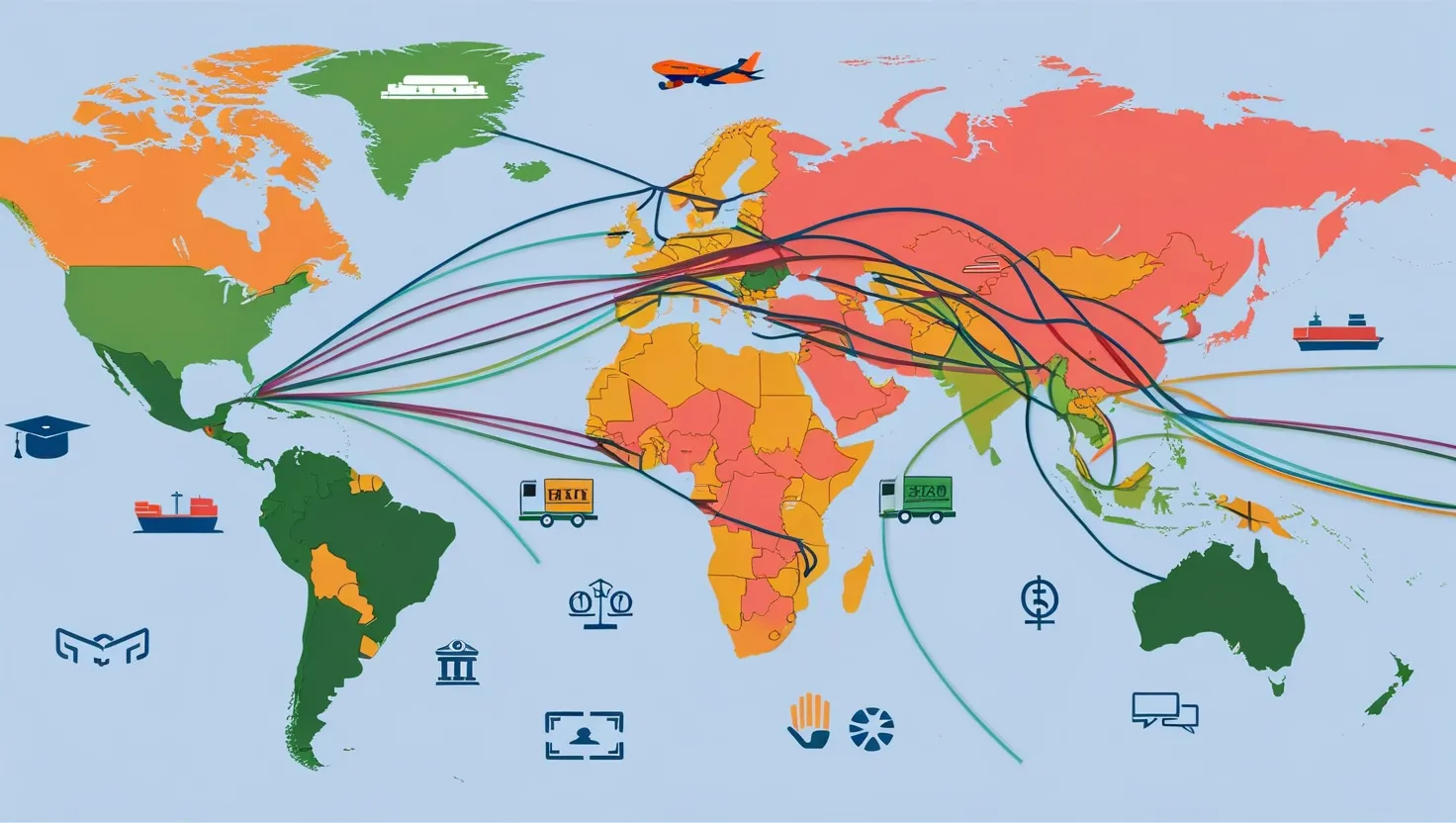
5 Urban Reforms Transforming Indian Cities: A 2024 Analysis of Digital Growth
Discover how 5 groundbreaking reforms are transforming Indian cities through digital tax systems, streamlined permits, municipal bonds, waste management & citizen engagement. Learn what's working and what's next. 🏙️ #UrbanIndia
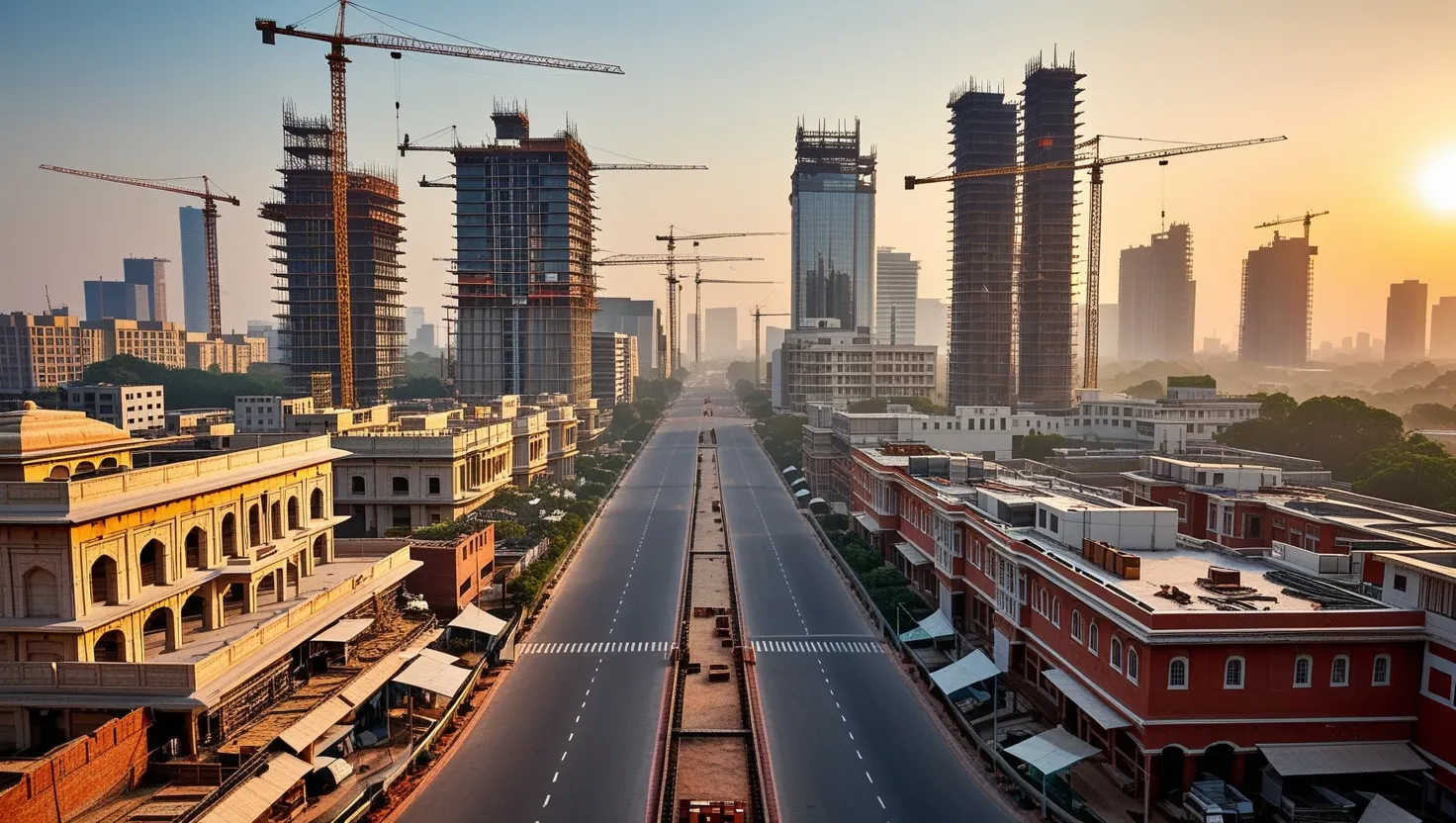
As I stroll through the bustling streets of an Indian metropolis, the signs of urban transformation are impossible to ignore. The skyline is dotted with cranes, new buildings rise from dusty construction sites, and a palpable energy of progress fills the air. But beneath this visible change, a quieter revolution is taking place in the halls of municipal governance.
Five key reforms are reshaping how Indian cities are managed, financed, and developed. These changes promise to make urban areas more livable, efficient, and responsive to citizens’ needs. Let’s explore how these reforms are playing out on the ground and what they mean for the future of India’s cities.
Gone are the days when property tax collection involved reams of paperwork and long queues at municipal offices. Today, many cities have embraced digital platforms that allow citizens to assess and pay their property taxes online. This shift has not only made the process more convenient for residents but has also significantly boosted municipal revenues.
In Pune, for instance, the implementation of a GIS-based property tax system led to a 20% increase in collection within the first year. The system uses satellite imagery to map properties, ensuring that no taxable structure goes unnoticed. But it’s not just about increasing revenue - the digitization has also made the process more transparent and reduced opportunities for corruption.
“The greatest danger in times of turbulence is not the turbulence; it is to act with yesterday’s logic.” - Peter Drucker
This quote aptly describes the mindset shift required for successful implementation of such reforms. Are our city officials ready to embrace this new logic of governance?
Moving on to another area of reform, the introduction of single-window clearance for building permits has been a game-changer for urban development. In the past, obtaining permits could take months, if not years, involving multiple departments and countless visits to government offices. Now, several cities have streamlined this process, allowing developers and homeowners to submit all required documents through a single portal.
Mumbai’s success story in this regard is particularly noteworthy. The city reduced the time taken for building permit approvals from 128 days to just 45 days. This not only speeds up construction but also improves the ease of doing business, attracting more investment to the city.
However, the journey hasn’t been without its challenges. Some cities have struggled with technical glitches in their online systems, while others face resistance from officials accustomed to the old ways of working. The key lies in continuous improvement and training to ensure smooth implementation.
Perhaps one of the most exciting developments in urban finance is the growing use of municipal bonds. These financial instruments allow cities to raise funds from the market for infrastructure projects, reducing their dependence on state and central government grants.
Indore made headlines in 2018 when it raised 1.4 billion rupees through municipal bonds, becoming the first city in Madhya Pradesh to do so. The funds were used to finance a solar power project, showcasing how this financial tool can support sustainable urban development.
But issuing bonds requires cities to have strong financial management practices and credit ratings. This has pushed many municipalities to improve their accounting systems and increase transparency in their operations. It’s a virtuous cycle - better financial management leads to better credit ratings, which in turn allows cities to raise more funds for development.
“The city is not a concrete jungle, it is a human zoo.” - Desmond Morris
This quote reminds us that at the heart of all these reforms are the people who call these cities home. How can we ensure that these financial instruments truly benefit the average citizen?
Waste management is another area where Indian cities are making significant strides. Many municipalities have introduced policies mandating waste segregation at source, coupled with door-to-door collection and scientific processing of waste.
Mysuru’s journey in this regard is particularly inspiring. The city achieved 100% door-to-door waste collection and over 90% segregation at source. This not only keeps the city clean but also generates revenue through the sale of compost and recyclables.
However, the success of such initiatives heavily depends on citizen participation. Cities are investing in awareness campaigns and even using technology to incentivize good waste management practices. In Bengaluru, for instance, an app allows citizens to report garbage dumps and track the resolution of their complaints.
The final reform we’ll explore is perhaps the most crucial - the creation of platforms for citizen participation in local decision-making. Many cities are moving beyond the traditional ward committees to embrace more innovative forms of engagement.
Bhubaneswar’s ‘I am Bhubaneswar’ initiative is a shining example. The city uses a mix of online and offline platforms to involve citizens in urban planning and budgeting processes. From choosing the location of new parks to deciding on street lighting priorities, citizens have a say in shaping their city.
Such initiatives not only lead to better-informed decisions but also foster a sense of ownership among residents. They transform citizens from passive recipients of services to active participants in urban governance.
“Cities have the capability of providing something for everybody, only because, and only when, they are created by everybody.” - Jane Jacobs
This quote encapsulates the essence of citizen participation. But how do we ensure that these platforms are truly inclusive and don’t just amplify the voices of the already privileged?
As I reflect on these reforms, I’m filled with a sense of cautious optimism. The changes are significant, but their implementation is often uneven across cities. Some municipalities race ahead, while others struggle to keep pace.
Moreover, these reforms don’t exist in isolation. They interact with each other, creating a complex web of change. A city with better property tax collection can invest more in waste management. Improved citizen participation can lead to more effective use of funds raised through municipal bonds.
The real test of these reforms will be their ability to improve the quality of life for all urban residents, not just a privileged few. Can they help create cities that are not only efficient and well-managed but also inclusive and sustainable?
As India continues its rapid urbanization, the answers to these questions will shape the future of millions. The reforms we’ve explored are just the beginning. The true transformation of Indian cities will require sustained effort, innovation, and above all, a commitment to putting citizens at the heart of urban governance.
The journey of urban reform in India is far from over. But with each step, our cities inch closer to realizing their full potential as engines of growth, innovation, and opportunity. The future of urban India is being written now, one reform at a time.