If you take a step back and look at the current business landscape, it’s clear that mergers and acquisitions have become as essential to growth as innovation itself. What’s different now is the way these deals are being structured, the motivations driving them, and the resulting ripple effects on every sector. So let’s talk about five strategic M&A trends that are fundamentally changing how entire industries compete, survive, and redefine their future.
I always like to start with a question: When you think of vertical integration, do you picture giant oil companies swallowing up refineries, or something subtler? In today’s landscape, vertical integration is playing out most dramatically in technology and healthcare, but the script has changed. Think of Microsoft acquiring Activision Blizzard—not just to own more content, but to control more of the value chain in gaming, from platforms and cloud delivery to massive user communities. In healthcare, Pfizer’s purchase of Seagen wasn’t just about scaling up—a big part of it was securing advanced oncology capabilities and building end-to-end pathways from drug discovery through to distribution. Vertical deals now aren’t just about cost savings; they’re about capturing capabilities and data flows that were previously out of reach.
“Opportunities don’t happen. You create them.” — Chris Grosser
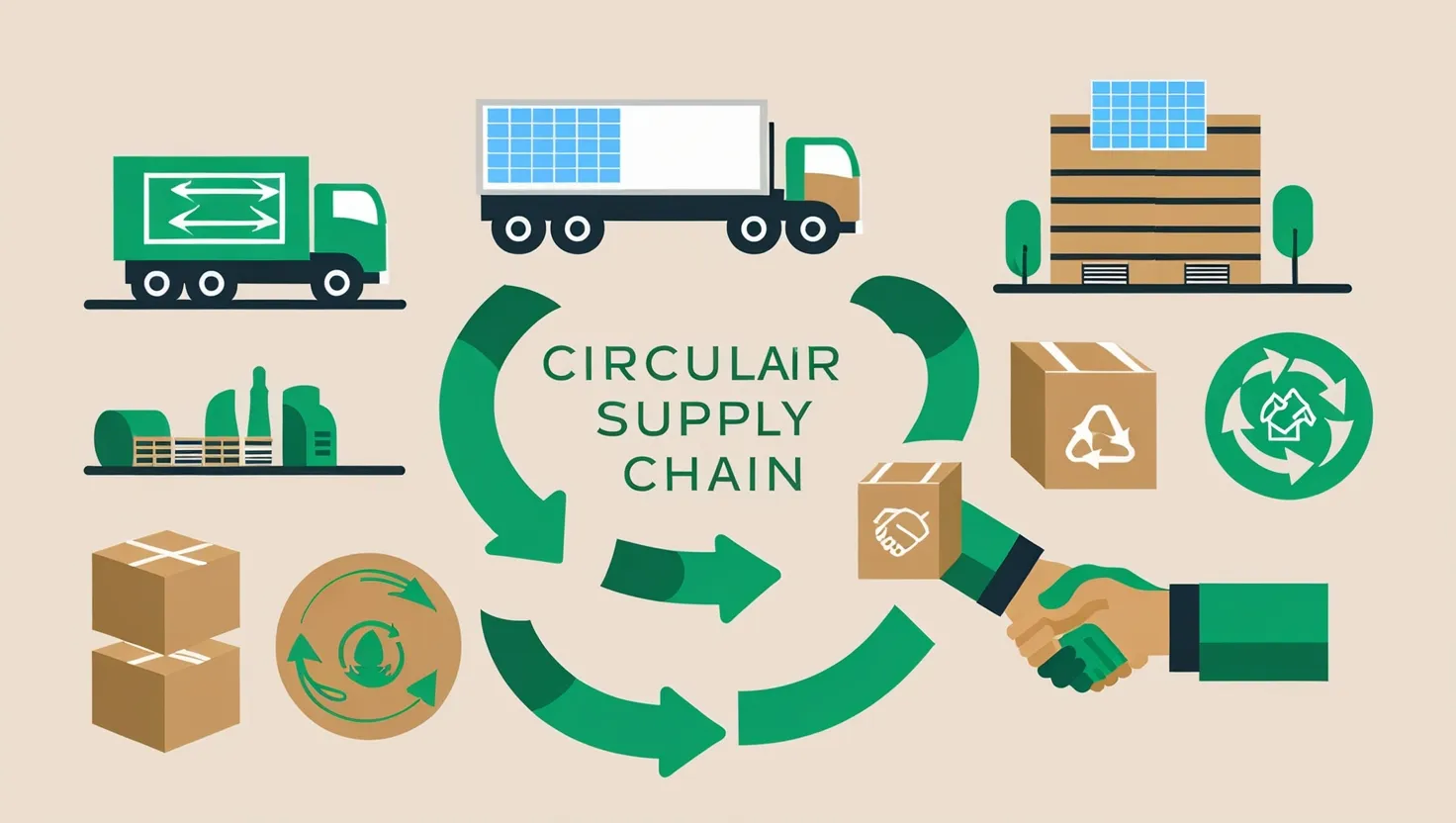
That brings us to the wildcard of cross-border deals, which are increasingly about rethinking supply chains, not just geographic expansion. Boardrooms are obsessed with resilience now, which means acquiring companies in regions with reliable logistics, regulatory alignment, and technology compatibility. When a global manufacturer acquires a local logistics provider in Asia, for example, it’s not just about access to a new market. It’s an insurance policy against shocks—and a bet on agility. The move toward “friend-shoring” and “near-shoring” is rewriting the old rulebook on cross-border M&A. With geopolitical tensions and tariff threats in play, picking your acquisition targets is as much about who you trust as what you buy.
But let’s go further and consider something increasingly critical: sustainability. The days when sustainability was a checkbox for compliance are gone. Now it’s a core driver of transaction value. Acquiring green technology assets is a way for companies to fast-track their transition plans. The market has seen record premiums paid for renewable energy firms, battery technology startups, and companies with proprietary low-emission manufacturing. What’s fascinating is how these deals are evaluated: it’s not just on current cash flows, but on the strategic value of sustainability credentials in regulatory environments and capital markets. If you’re an acquirer, are you valuing a target based on yesterday’s profit, or tomorrow’s carbon credits?
“Price is what you pay, value is what you get.” — Warren Buffett
Private equity deserves a spotlight, especially for the way it’s redefining fragmented industries. The roll-up strategy—buying multiple small or midsize firms and integrating them into a larger, more efficient entity—has seen a renaissance. What’s changed is how data and analytics are used to identify targets, optimize integration, and drive performance post-acquisition. In home healthcare, veterinary services, and even legal services, PE funds aren’t just consolidating—they’re creating dominant players where none existed before. Yet integration is tricky: get the culture or systems wrong, and the whole thesis falls apart. The secret sauce is often hidden in the post-merger playbook, rather than the deal itself.
Here’s a question: In an era obsessed with digital, why are so many deals focused on analytics and data capabilities instead of traditional bricks-and-mortar assets? The shift is unmistakable. Companies are snapping up firms with proprietary data, machine learning platforms, or unique customer insights. For example, retail giants are buying up AI-driven recommendation technology to personalize the shopping journey. In financial services, acquirers are after risk modeling and fraud analytics rather than physical branch networks. The rationale? Data is now the engine of organic growth, operational efficiency, and even regulatory compliance.
“It’s not the strongest of the species that survive, nor the most intelligent, but the one most responsive to change.” — Attributed to Charles Darwin
Of course, all these trends surface new valuation challenges. The old yardsticks—EBITDA multiples or price-to-book ratios—don’t always fit, especially for tech and sustainability assets. For vertical deals, synergy calculations are more complex because they hinge on integration of intangible assets like brand equity or intellectual property. For green deals, future regulatory shifts and carbon pricing mechanisms can swing valuations dramatically. PE roll-ups need robust scenario planning, since the value is often realized in the exit, not the initial consolidation. And for data deals, how do you value proprietary algorithms or data sets whose revenue potential is untested? There’s a growing demand for creative, flexible deal structures—earnouts, contingent payments, upside sharing—designed to bridge the valuation gap.
Let’s pause and get practical. What makes for integration success in this environment? The Microsoft-Activision case drew headlines for its size, but look under the hood and it’s all about cultural mesh, IT systems fusion, and regulatory choreography. Integration teams are now often comprised of technologists and data scientists, not just accountants and lawyers. In Pfizer’s acquisition of Seagen, success depends on aligning R&D pipelines and regulatory strategies as much as merging HR and finance. Companies that treat integration as a top-down exercise will likely miss value; those that enable cross-functional teams to drive outcomes at the operational level see better results.
“Success is not final, failure is not fatal: it is the courage to continue that counts.” — Winston Churchill
No discussion would be complete without acknowledging regulatory hurdles. Antitrust authorities have become much more aggressive, especially with deals that concentrate data, technology, or essential services. In the U.S., recent cases have seen authorities scrutinize not just direct competition, but also potential impacts on labor markets and innovation trajectories. National security reviews are also more common, particularly for cross-border acquisitions in technology, healthcare, or infrastructure. The bar for approval is higher, the process longer, and the need for proactive engagement with regulators has never been greater. This adds uncertainty to deal timelines and outcomes, and can even reshape which targets are deemed attractive.
Post-merger performance metrics are under the microscope, too. Boards and investors aren’t content with vague synergy promises; they want concrete measures: integration speed, customer retention, ROI on digital investments, and—crucially—delivery against sustainability targets. Transparency in post-deal reporting has become a competitive differentiator, particularly for companies with activist shareholders. It’s not enough to announce a deal; you need to execute and prove that the value story holds water. The root of most integration failures? Underestimating change management, cultural fit, or the technological leap required to make two companies truly operate as one.
“If you don’t drive your business, you will be driven out of business.” — B. C. Forbes
So, where does this leave companies contemplating M&A as their engine for the next phase of growth? The playbook has changed. Deals are bigger, more complex, and are evaluated through a much wider lens that includes resilience, sustainability, and digital capability. Success now means moving faster, but also acting smarter—diligence must go deep into technology architecture, cultural compatibility, and regulatory landscape. The most successful acquirers are those who build in flexibility—both in deal structure and in their integration models. They treat every acquisition not as an isolated event, but as a continuous process of transformation.
Let me leave you with a thought: Are you ready to consider M&A not as a one-off transaction, but as a living strategy—one that evolves as fast as the market itself? The companies that thrive in this new era will be those that see deals not just as means to grow, but as instruments to innovate, adapt and lead in an unpredictable world.
“Change is the law of life. And those who look only to the past or present are certain to miss the future.” — John F. Kennedy