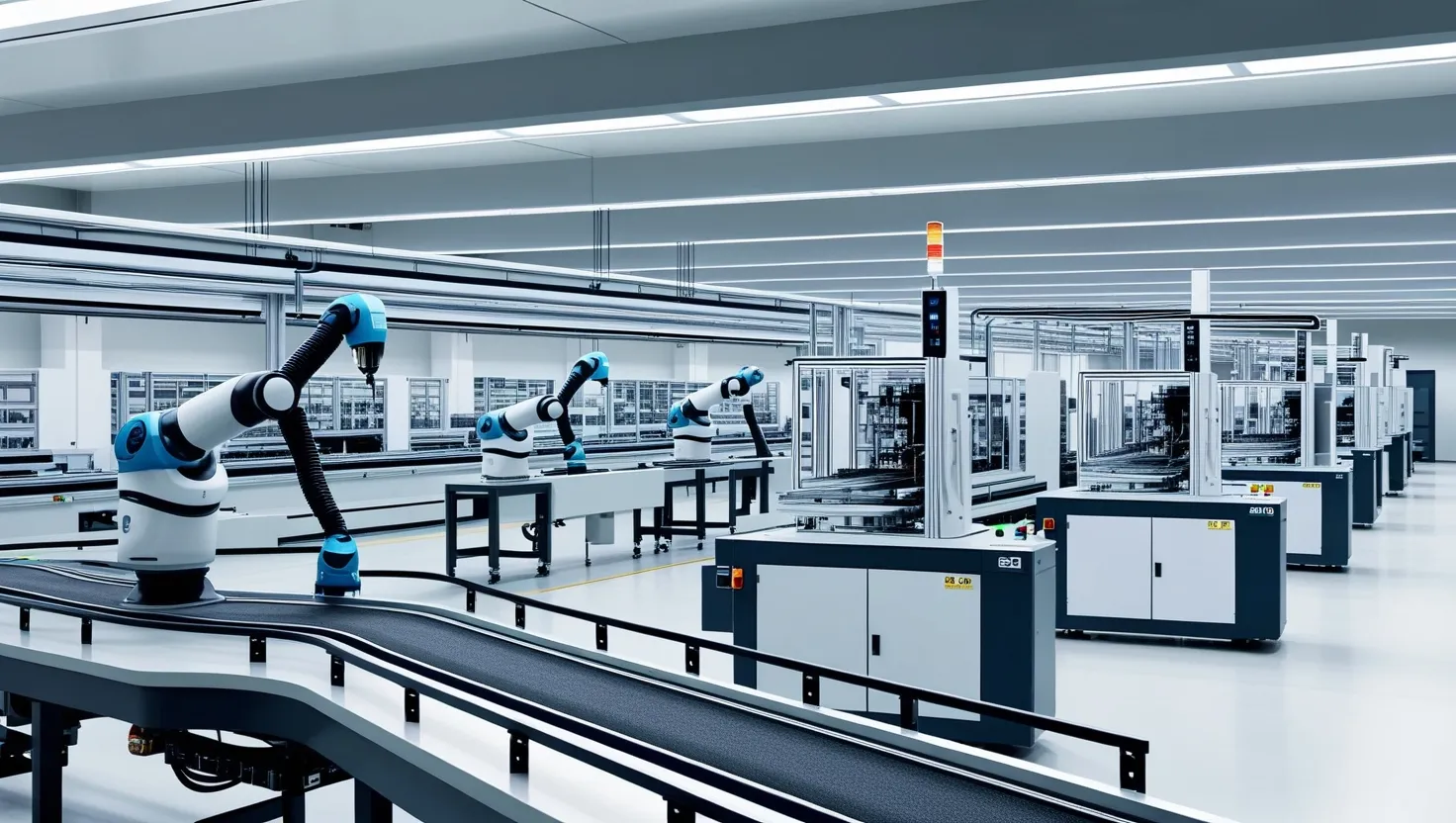
As I delve into the world of manufacturing reshoring, I am struck by the complexity and opportunity it presents. The movement to bring back production to domestic shores is not just about jobs; it’s about securing supply chains, reducing risks, and fostering innovation. Let’s explore five key strategies that are transforming the manufacturing landscape.
Nearshoring: A Strategic Shift
Imagine if your manufacturing hub was just a border away. Nearshoring involves shifting production to neighboring countries with stable trade agreements, reducing logistical challenges and costs. This approach is particularly appealing for companies seeking to minimize supply chain disruptions while maintaining proximity to their primary markets. For instance, companies in the U.S. might nearshore production to Mexico or Canada, leveraging NAFTA-like agreements for smoother operations.
“The biggest risk is not taking any risk.”—Mark Zuckerberg
This sentiment resonates with manufacturers considering nearshoring. What risks are you willing to take to secure your supply chain?
Government Incentives: A Boost to Domestic Production
Government incentives can be a powerful motivator for reshoring. Tax benefits, grants, and deregulation can significantly offset the costs of setting up domestic production facilities. By leveraging these incentives, companies can find themselves in a more competitive position, both locally and globally. The question is, how effectively can these incentives balance out higher labor costs and initial investment requirements?
Are you leveraging government incentives to bolster your manufacturing operations?
Advanced Automation: The Future of Production
Automation is revolutionizing manufacturing by offsetting higher labor costs in developed markets. Robots and AI are not just about efficiency; they also enhance product quality and reduce errors. Companies like Toyota are investing heavily in automation, ensuring that their operations are not only cost-effective but also highly reliable. The expansion of Toyota’s Kentucky factory is a prime example of how automation can support reshoring efforts.
“The future belongs to those who see possibilities before they become obvious.”—John Sculley
How will automation transform your manufacturing processes?
Developing a Local Supplier Ecosystem
Building a network of local suppliers is crucial for reducing dependency on international imports. This localized approach not only reduces lead times but also fosters a more resilient supply chain. By developing partnerships with domestic component manufacturers, companies can ensure a steady supply of high-quality parts, minimizing the risks associated with global sourcing.
What steps are you taking to build a robust supplier network?
Workforce Training Partnerships
Perhaps the most critical aspect of successful reshoring is workforce development. Collaborating with technical schools and community colleges helps ensure that the local workforce possesses the specialized skills needed for advanced manufacturing. This partnership is essential for meeting the technical talent demands of modern production lines.
“The best way to predict your future is to create it.”—Abraham Lincoln
Are you investing in workforce training to secure your manufacturing future?
Putting It All Together
Implementing these strategies is not a one-size-fits-all approach. It requires careful planning, starting with high-value, time-sensitive product lines. Companies in the electronics, automotive, and medical device sectors have seen significant benefits, including 40-60% shorter lead times and 30% lower inventory carrying costs.
For instance, the return of medical equipment production to Ireland highlights how reshoring can improve quality control and reduce shipping expenses. However, challenges such as higher initial capital requirements and technical talent shortages must be addressed.
As I reflect on the journey of reshoring, it’s clear that each strategy offers unique advantages and challenges. By combining these approaches, manufacturers can create more resilient, efficient, and innovative supply chains.
“The only true wisdom is in knowing you know nothing.”—Socrates
What will it take for your organization to adopt these strategies and strengthen its supply chain?