5 Critical Commodity Signals Shaping the Global Economy in 2024
Discover what 5 key commodities reveal about 2024's economic landscape. From copper to rare earth elements, learn how market trends signal technological shifts, climate impacts, and supply chain challenges. Navigate the future today.
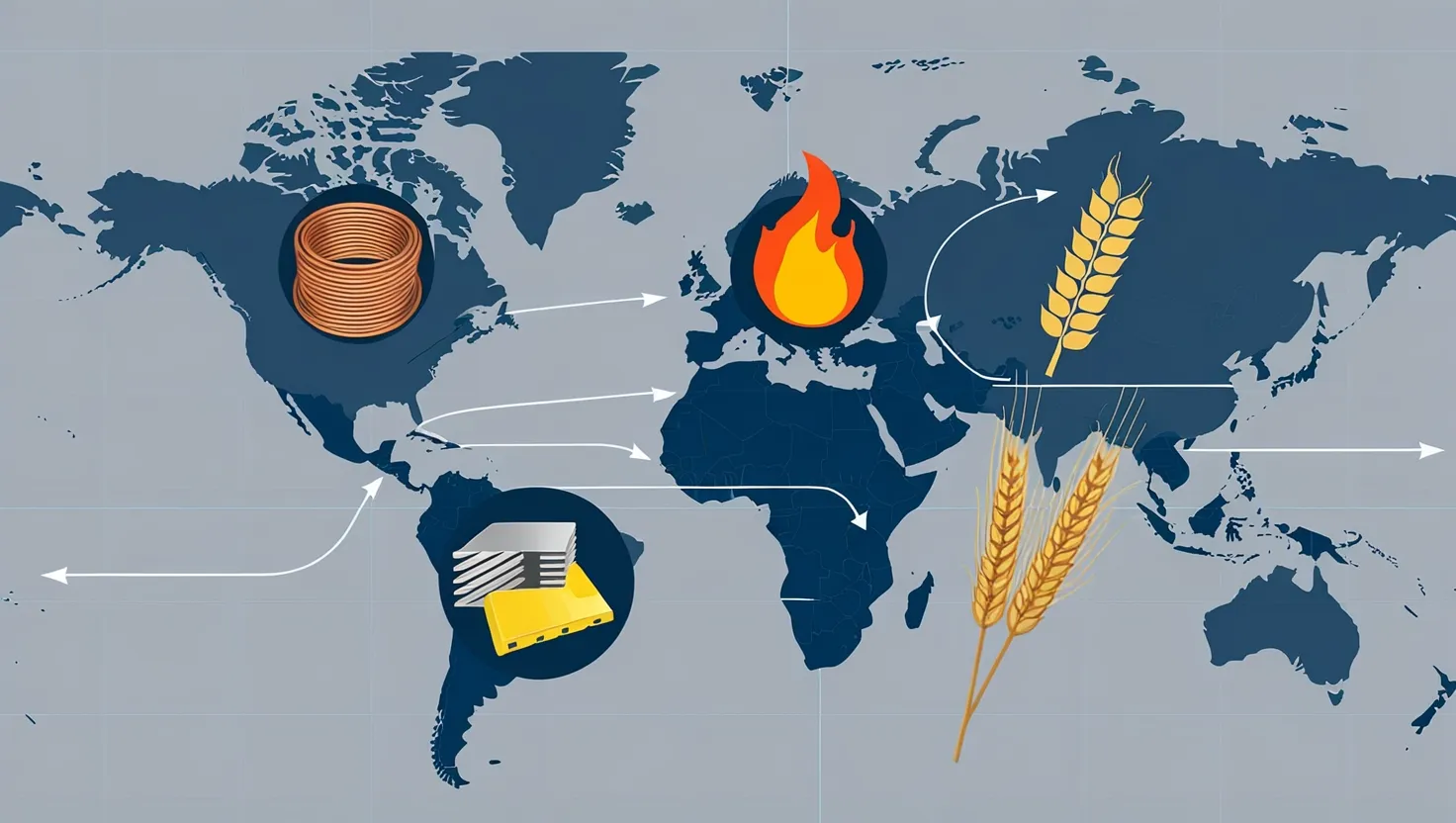
As we venture into 2024, the global commodity markets are painting a vivid picture of the economic landscape. Five key commodities, in particular, are sending strong signals about the shifts and challenges facing the world economy. Let’s explore these harbingers of change and what they reveal about our economic future.
Copper, often called “Dr. Copper” for its ability to predict economic trends, is flashing some intriguing signals. The red metal’s price has been on a rollercoaster ride, reflecting the push and pull between infrastructure spending and clean energy transition on one side, and economic uncertainties on the other.
In the United States, the implementation of the Infrastructure Investment and Jobs Act is driving demand for copper in everything from electrical grids to broadband networks. Meanwhile, China’s economic recovery, albeit slower than expected, continues to influence global copper consumption. The electrification of transport and the growth of renewable energy projects worldwide are also fueling long-term demand.
However, supply constraints are adding complexity to the copper market. Major producing countries like Chile and Peru have faced disruptions due to labor disputes and regulatory changes. These factors have created a tight market, with some analysts predicting potential shortages in the coming years.
What does this mean for the global economy? The copper market’s volatility suggests a mixed economic outlook, with pockets of strong growth in specific sectors offset by broader economic headwinds. For businesses, this translates to careful planning in procurement and potentially higher costs for copper-intensive projects.
“Copper is the metal of electrification, and electrification is much of what decarbonization is all about,” said Robert Friedland, founder of Ivanhoe Mines. This quote encapsulates the critical role copper plays in our economic future.
Moving on to natural gas, we’re witnessing a fascinating shift in global energy dynamics. The European energy crisis of 2022 triggered by the Russia-Ukraine conflict has reshaped the natural gas market. Europe has diversified its energy sources, increasing imports of liquefied natural gas (LNG) from the United States and other producers.
This shift has created new trade patterns and price dynamics in the global gas market. U.S. natural gas prices, once primarily influenced by domestic factors, are now more closely tied to global demand. Meanwhile, Asian spot LNG prices have become more volatile, reflecting the increased competition for flexible LNG cargoes.
The natural gas market is also feeling the effects of the clean energy transition. While gas is often seen as a “bridge fuel” to renewables, long-term demand projections are becoming more uncertain as countries accelerate their decarbonization efforts.
For energy-intensive industries, these changes in the natural gas market signal a need for more flexible energy strategies. How are you adapting your energy procurement to these shifting dynamics?
Semiconductor materials form our third commodity signal, and they’re telling a story of technological competition and supply chain vulnerabilities. The global chip shortage that began in 2020 highlighted the critical importance of semiconductors in our modern economy. As we move into 2024, the focus has shifted to the raw materials that go into chip production.
Silicon, of course, remains the foundation of the semiconductor industry. But other materials like gallium, germanium, and rare earth elements are gaining importance, especially for advanced chips used in artificial intelligence, 5G networks, and electric vehicles.
The geopolitics of these materials are becoming increasingly complex. China’s dominance in rare earth element production and processing has sparked concerns about supply security in other countries. In response, we’re seeing efforts to diversify supply chains and develop alternative sources for these critical materials.
The semiconductor materials market is signaling a new era of technological competition. Countries and companies are racing to secure supplies and develop domestic production capabilities. This trend is likely to reshape global trade patterns and influence international relations in the coming years.
For technology companies and manufacturers, the message is clear: supply chain resilience and material sourcing strategies will be key to future success. Are you prepared for potential disruptions in the semiconductor supply chain?
Agricultural commodities provide our fourth economic signal, and they’re highlighting growing concerns about food security. Climate change is increasingly impacting crop yields and creating more volatile weather patterns. This volatility is reflected in the price spreads between different agricultural commodities and between spot and futures prices.
For example, the spread between wheat and corn prices has widened at times, reflecting differing impacts of weather events and geopolitical factors on these crops. Similarly, the spread between spot and futures prices for some commodities has increased, indicating uncertainty about future supplies.
These price signals suggest a need for more resilient and diversified agricultural systems. We’re likely to see increased investment in climate-resistant crop varieties, precision agriculture technologies, and alternative protein sources.
The agricultural commodity markets are also reflecting changing consumer preferences, with growing demand for plant-based proteins and organic products influencing price trends for certain crops.
For food producers and retailers, these trends signal a need for more flexible supply chains and potentially higher and more volatile input costs. How are you preparing for potential food price volatility in the coming year?
Finally, let’s turn to rare earth elements, our fifth commodity signal. These 17 elements, despite their name, are not particularly rare in the Earth’s crust. However, they are difficult and expensive to extract and process, and they’re crucial for many high-tech and green technologies.
The pricing and availability of rare earth elements are signaling intensifying technological competition, particularly between the United States and China. China currently dominates the global rare earth supply chain, but other countries are working to develop alternative sources.
Price volatility in the rare earth market reflects both supply uncertainties and rapidly growing demand. Neodymium and praseodymium, used in powerful magnets for electric vehicle motors and wind turbines, have seen particularly strong price increases.
The rare earth market is sending a clear message about the critical importance of these materials in the clean energy transition and advanced technology development. It’s also highlighting the geopolitical dimensions of resource control in the modern economy.
For companies in the technology and clean energy sectors, securing stable supplies of rare earth elements is becoming a key strategic priority. Are you considering the rare earth element content of your products and how you might secure these critical materials?
As we navigate through 2024, these five commodity signals - copper, natural gas, semiconductor materials, agricultural commodities, and rare earth elements - are providing valuable insights into the shifting economic landscape. They’re telling a story of technological competition, climate change impacts, geopolitical tensions, and the ongoing energy transition.
For businesses, these signals underscore the importance of supply chain resilience, flexible procurement strategies, and a keen awareness of global economic and technological trends. They also highlight potential opportunities in emerging sectors like clean energy, advanced materials, and climate-resilient agriculture.
For policymakers, these commodity trends emphasize the need for strategies to secure critical resources, promote innovation, and address climate change impacts. They also underscore the interconnectedness of global markets and the potential for commodity-driven economic shocks.
As we move forward, keeping a close eye on these commodity signals will be crucial for anticipating economic shifts and making informed decisions. The messages from the commodity markets are clear: change is coming, and adaptability will be key to success in this evolving economic landscape.
What steps are you taking to interpret and act on these commodity signals in your business or policy-making? How do you see these trends shaping the global economy in the years to come?
Remember, in the world of commodities, today’s price movements can be tomorrow’s economic realities. Stay alert, stay informed, and be ready to adapt to the changing tides of the global economy.