4 Brick-and-Mortar Strategies Driving Retail's Comeback Against E-Commerce Dominance
Discover how Nike, Warby Parker & Sephora are revolutionizing retail with experiential stores, hybrid tech & personalized experiences. Learn 4 strategies driving brick-and-mortar success.
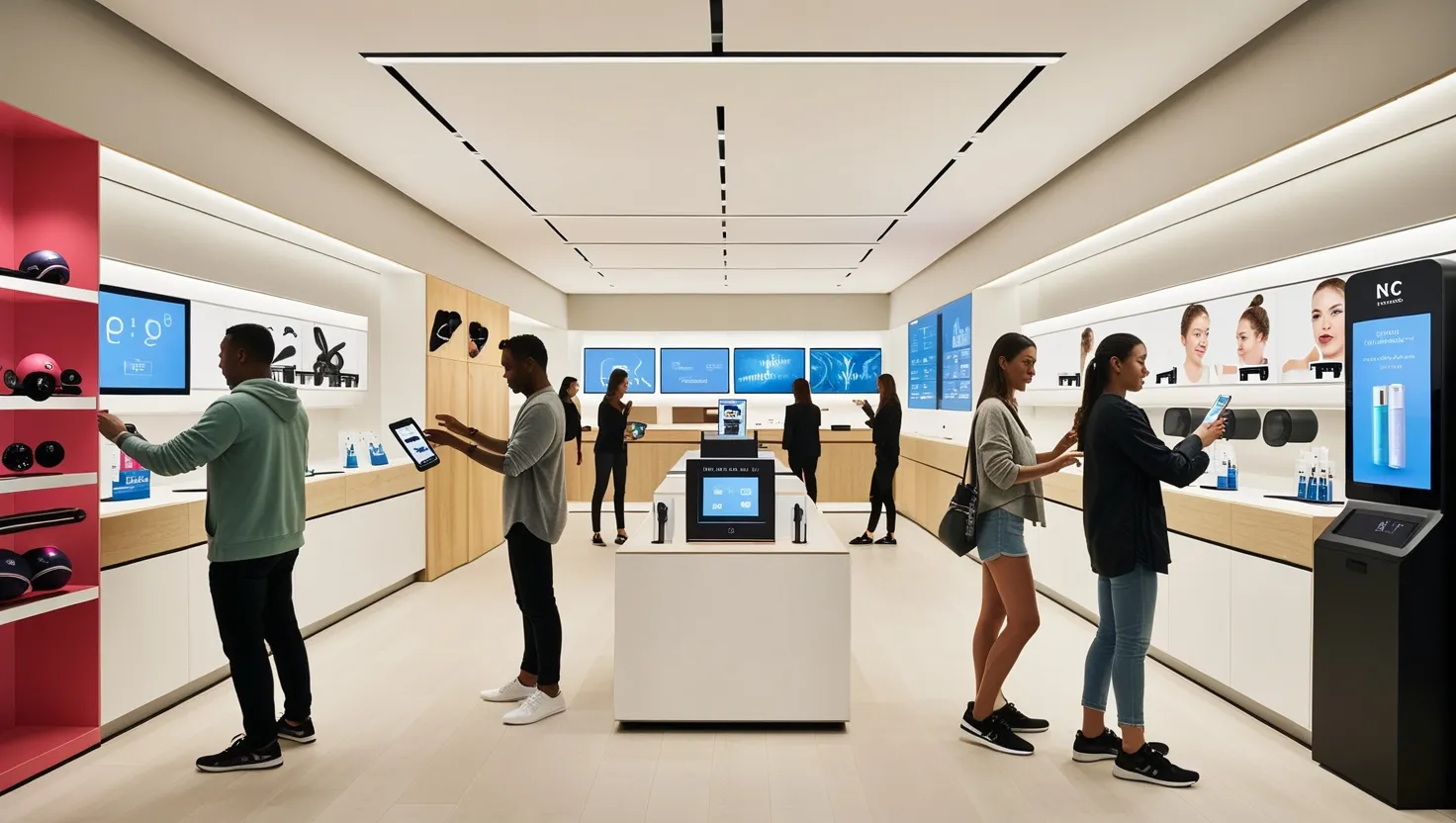
There’s a new energy running through the aisles of physical stores these days. If we rewind a few years, everyone was talking about a so-called retail apocalypse—a world where online shopping would swallow malls whole. Instead, something very different is happening. Forward-thinking brands are reimagining real-world retail, blending digital tools with tactile, memorable experiences. I’ve watched as Warby Parker, Nike, and Sephora—among many others—have transformed their stores into destinations, not just shelves. What’s behind this resurgence? Let’s talk about four strategies that are putting brick-and-mortar shops back at the center of the consumer universe.
If you’ve walked into a Nike flagship recently, you’ll notice it’s less a store and more a playground. Sneakers hang from the ceiling, mini sports courts invite you to try before you buy, and community events make the space as lively on a weeknight as during Saturday rush hour. This isn’t by accident. Experiential formats are changing what it means to go shopping. Today’s consumers want more than a transaction. They’re looking for places that mix entertainment, social engagement, and hands-on discovery.
Warby Parker does this with in-store eye exams and quirky photo booths. Sephora leans hard on beauty classes and product testing bars where you can experiment and get expert tips. In a way, these shops have become social spaces where you can learn, play, or even just hang out—a stark difference from the clinical, boxy stores of the past.
“People will forget what you said, people will forget what you did, but people will never forget how you made them feel.” — Maya Angelou
Have you ever asked why some stores feel alive while others seem stuck in 1997? It boils down to how we feel when we’re there. When you leave someplace smiling, you want to return. That’s a lesson no e-commerce site can master—not yet, anyway.
On the tech side, the best retailers have realized that convenience isn’t a luxury, it’s a baseline. Hybrid shopping technologies—like mobile checkout, “endless aisle” kiosks, and apps that locate products for you—mean that the friction of old-school shopping is disappearing. At Nike and Warby Parker, you can now scan, pay, and walk out without waiting in line. Sephora’s digital shelves show you what’s in stock, what can be delivered, and even match online wish lists to in-store product availability.
I find it fascinating how these tools reshape the store from a warehouse into a service hub. “Endless aisle” tech means that if your size isn’t on the rack, it can be shipped to your house, no problem. There’s no “we’re out” anymore—only “let’s make it happen.” These hybrid tools also empower sales associates, who now act more like personal shoppers with an arsenal of data at their fingertips.
Here’s a question: Would you shop more in-store if you could skip the line, scan items with your phone, and have anything missing shipped straight to your door? For many, the answer is a resounding yes.
Another strategy that’s winning fans is treating each store as a micro-warehouse. Localized inventory models flip the script on supply chains; rather than using giant regional hubs, brands like Warby Parker and Nike ship to stores closer to their customers. This means faster pickup, easier returns, and a lot less stress around “when will my order arrive?” It also lets stores double as fulfillment centers for online orders—a crucial move, especially in urban neighborhoods where next-day or even same-day delivery is now expected.
Have you noticed how companies seem to know what you want, sometimes before you do? Integrated customer data systems are the brains behind these seamless experiences. These platforms tie together your online clicks, in-store visits, and purchase history. Walk into a Sephora after buying moisturizer online, and a beauty advisor might suggest a new serum to complement your routine. At Nike, your app can unlock exclusive product drops when you enter the store, making loyalty feel immediate and tangible.
“Get closer than ever to your customers. So close that you tell them what they need before they realize it themselves.” — Steve Jobs
Some people wonder if all this personalization is a bit too much. Are we giving up privacy for convenience? That’s a fair concern, but for many, the reward is worth the trade-off. You get recommendations that actually fit your style. Staff can greet you by name or remember your last purchase—not in a creepy way, but in a way that saves time and feels personal.
Of course, none of these changes come cheap. For retailers, investing in all this—new store formats, digital kiosks, data integration, smarter staff training—means saying yes to higher upfront costs. Warby Parker, Nike, and Sephora have put millions into developing their in-store tech and redesigning their layouts. They’ve also invested heavily in teaching their teams to become not just employees, but brand ambassadors, tech assistants, and customer experience pros.
But let’s look at the numbers—and the numbers matter. Stores using these four brick-and-click tactics are seeing real results. Product returns go down, because customers try things before they buy and get better advice. Average order value goes up; people buy more when the experience is fun and frictionless. Even more important, customer lifetime value jumps. When someone has a great time in-store, they’re more likely to shop with that brand again and again, both online and offline.
It’s also giving companies new ways to measure success. Instead of just counting transactions, they’re tracking dwell time, engagement, and community participation. Did you join a sneaker launch event at Nike, attend a Warby Parker book club, or take a Sephora beauty class? Those moments turn casual shoppers into loyal fans.
“What gets measured gets managed.” — Peter Drucker
For retailers looking to adapt, here are some actionable takeaways to focus on. Start by asking what unique experiences your brand can offer. Not every store can host concerts or sports clinics, but every retailer can find ways to bring people together. Consider what hybrid technologies could make shopping simpler for your customers. Mobile checkout, real-time inventory, and “endless aisle” access are increasingly expected, not optional.
Next, rethink your backroom. Could you fulfill local online orders from your store, not just a distant warehouse? If you’re not already collecting and integrating customer data, it’s time to begin. This means more than sending a generic coupon after a purchase—it’s about crafting offers and experiences tailored to individual customers, whether they’re browsing online or standing at the cash register.
Staff training is crucial. Today’s retail employees need to be comfortable with tech and understand how to use data to help—not hassle—customers. Regular training sessions, role-playing customer scenarios, and giving staff room to suggest improvements can transform a shop’s culture.
Is this easy? Definitely not. It requires investment, patience, and a willingness to experiment. But for brands willing to reimagine what their stores can be, the rewards are real and lasting.
Let’s end with a thought experiment. Picture two stores on opposite sides of the street. One is unchanged: same fluorescent lighting, same racks, same checkout line since 2005. The other is lively, filled with interactive spaces, helpful staff, and the right dose of tech. Which one do you want to step into? Which one will people tell their friends about? Which one will still be here in five years?
As I see it, the era of brick-and-mortar is far from over. It’s simply evolving, combining the best of digital convenience with the unique presence of real, human experiences. Those brands that get the mix right are setting the pace for a retail industry that feels more vital and relevant than ever.
“To improve is to change; to be perfect is to change often.” — Winston Churchill
Making change is hard, but in retail, it’s now the only way forward.